Every business has a graveyard of leads. Someone filled out a form eight months ago. A sales rep called twice, got no answer, sent one email, and moved on. The lead sits in the CRM tagged as ‘not responding’ and is essentially forgotten. Meanwhile, the marketing team is spending money acquiring new leads to replace the ones that were never properly worked.
Here is the thing about cold leads: most of them did not go cold because they lost interest. They went cold because the follow-up stopped. The timing was off. The channel was wrong. A person who enquired about health insurance in January and never heard back is not necessarily uninterested in health insurance — they are just unimpressed with that particular business’s follow-through.
WhatsApp automation gives you a structured, scalable way to go back into that lead graveyard and pull real conversations out of it. Not by spamming, not by sending the same pitch that failed the first time, but by making contact through the right channel with the right angle at the right moment.
Why Cold Leads Respond Differently on WhatsApp
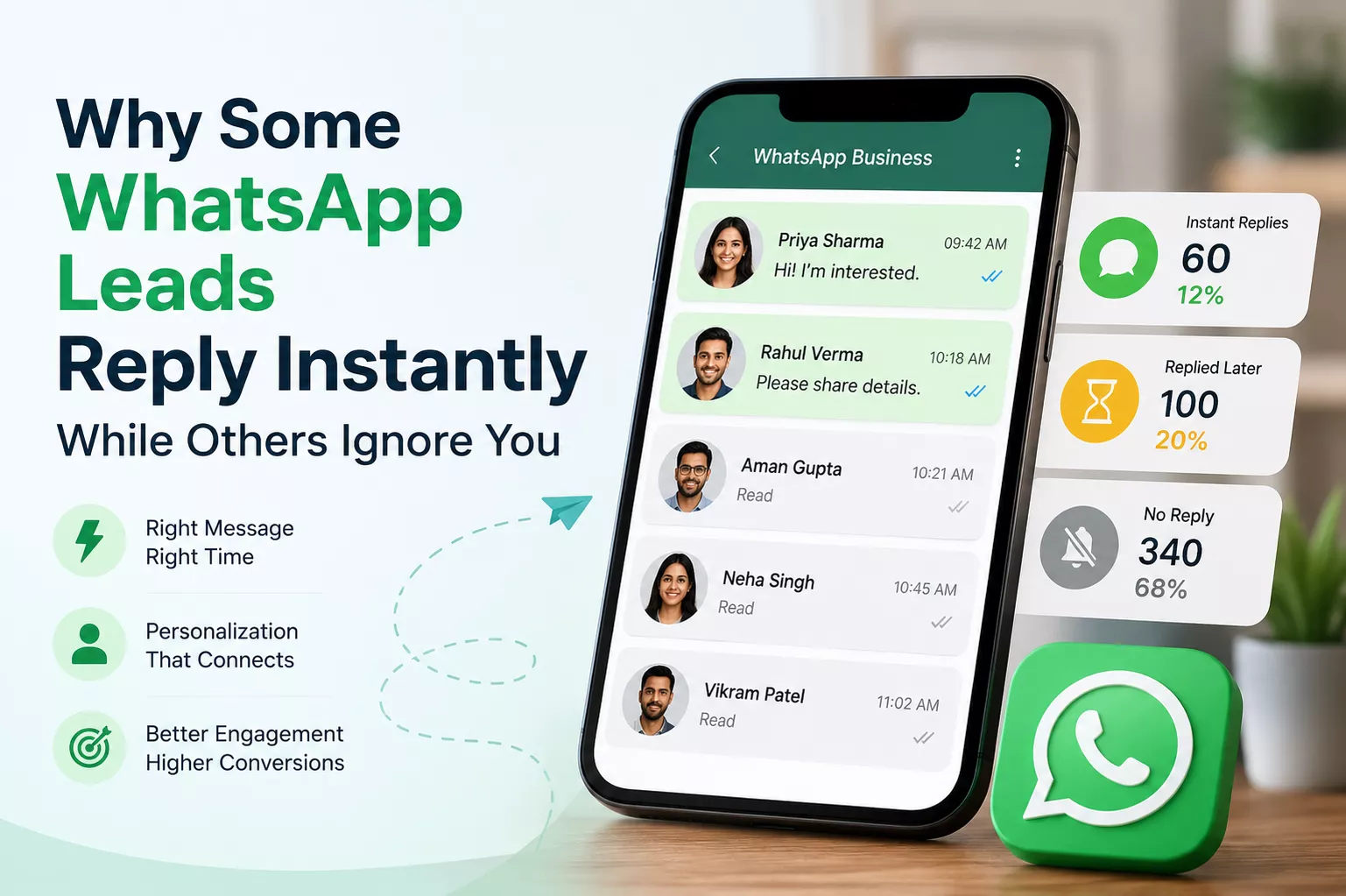
The same lead who ignored three emails and two calls will often reply to a WhatsApp message within minutes. This is not a mystery. Email has too much noise. Phone calls feel intrusive when you do not know the caller. WhatsApp sits in a mental category the person actively monitors — and a short, direct message there gets read in a way that an email subject line never does.
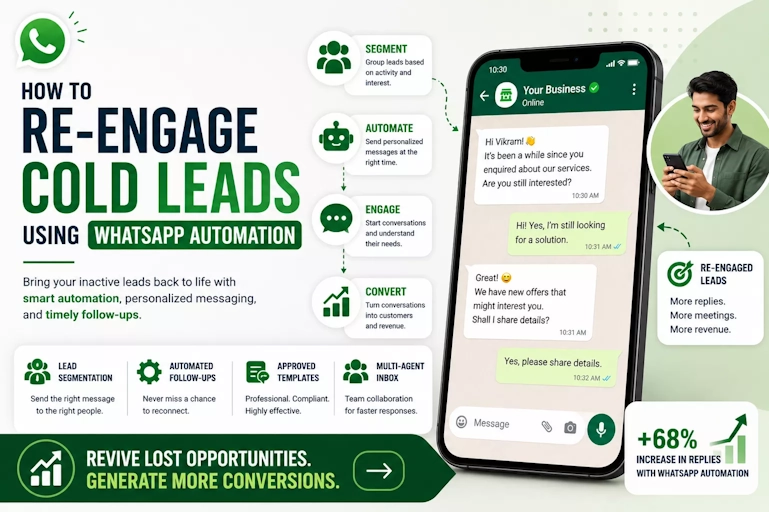
There is also a format advantage. A re-engagement WhatsApp message does not need to be a structured email with a subject line, an opening paragraph, a value proposition, and a call to action. It can be two sentences. ‘Hi Vikram, it has been a while since you enquired about our accounting software. Anything we can help clarify?’ That message, sent at the right time, opens more conversations than a four-paragraph email about product features.
The brevity signals that the business is not launching into a sales pitch. It is checking in. That distinction matters to a lead who previously felt ignored or oversold.
Segment Before You Send: Not All Cold Leads Are the Same
Before any re-engagement campaign goes out, the lead list needs to be segmented. A lead who enquired two months ago is not the same as one who enquired eighteen months ago. A lead who visited the pricing page three times before going quiet is not the same as one who opened a single brochure email. Sending the same message to all of them wastes your opportunity and risks getting blocked by people who have moved on entirely.
A practical segmentation for most businesses: leads who went cold in the last 60 days, leads who went cold between 2 and 6 months ago, and leads older than 6 months. Each group needs a different approach.
The 60-day group is the warmest. They recently expressed interest and the timing may simply not have been right. A direct, low-pressure check-in works here: ‘Hi Meena, you enquired about our interior design services last month. Are you still planning your home renovation? Happy to pick up where we left off.’
The 2-to-6-month group needs something that signals the business has moved forward. A new offering, an updated price, a client result that is relevant to their original enquiry. Not a re-pitch of the same thing they already declined to act on.
The 6-month-plus group is the coldest and needs the most careful handling. A soft approach — sharing something genuinely useful rather than asking them to buy — works best here. An industry insight, a short guide relevant to their original interest, a case study. The goal is not a sale. It is a reply. Once there is a reply, the conversation can develop from there.
The Templates That Get Re-Engagement Right
Re-engagement messages sent on WhatsApp Business API must use approved templates. This is actually useful discipline for re-engagement specifically, because it forces the message to be concise and clear — there is no room for a wandering three-paragraph pitch.
The templates that work for re-engagement share a few characteristics. They reference something specific about the lead’s original enquiry rather than sending a generic ‘we noticed you were interested’ opener. They make a single, clear ask — not three questions in one message. And they leave room for the lead to re-enter at any level of interest, not just ‘ready to buy now.’
A solar panel company running re-engagement for leads who enquired six months ago might use: ‘Hi {{1}}, solar installation costs have dropped 12 percent since you last checked in with us. Interested in an updated quote for your property?’ That message is specific, timely, and gives the lead a concrete reason to re-engage that was not available when they first enquired.
At 24/7 Marketing, re-engagement templates are written and submitted for approval as part of the campaign setup — because the effectiveness of a re-engagement campaign depends entirely on the first message landing right. A generic opener wastes the contact. A specific, well-written one gets a reply.
What Automation Does After the First Reply Comes In
A re-engagement campaign that gets replies but has no system to handle them quickly loses the momentum the campaign just created. A lead who re-engages is in a decision window. They responded. They are considering the conversation again. If they wait two hours for a reply, that window closes.
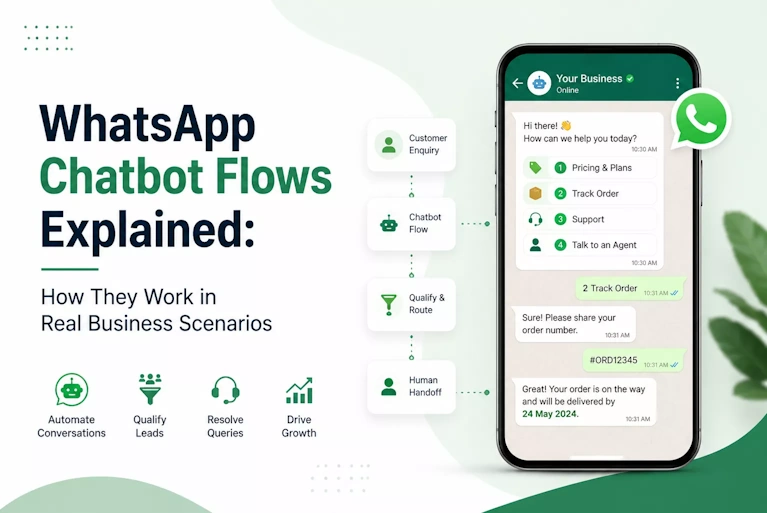
Automated reply flows handle immediate inbound from re-engagement campaigns. When a lead replies to the solar panel message above, the flow acknowledges immediately, asks a qualifying question — ‘Is the property residential or commercial?’ — and based on the answer, sends the relevant information or offers to connect them with a consultant.
The automation is doing two things simultaneously. It is keeping the conversation alive by responding instantly. And it is gathering the information a sales agent will need to have a productive follow-up conversation. By the time a human gets involved, the lead has confirmed their interest, provided their property type, and indicated their timeline. The agent is not starting from square one — they are starting from a warm, qualified position.
For leads who do not reply to the first re-engagement message, the automation can trigger a second touchpoint after a defined interval — three days, five days, a week — with a different angle. Not the same message again. A different hook: a client testimonial, a limited-time offer, a piece of content relevant to their original interest. The sequence stops if they reply or if they do not respond after two or three attempts.
Handling Re-Engaged Leads in the Multi-Agent Inbox
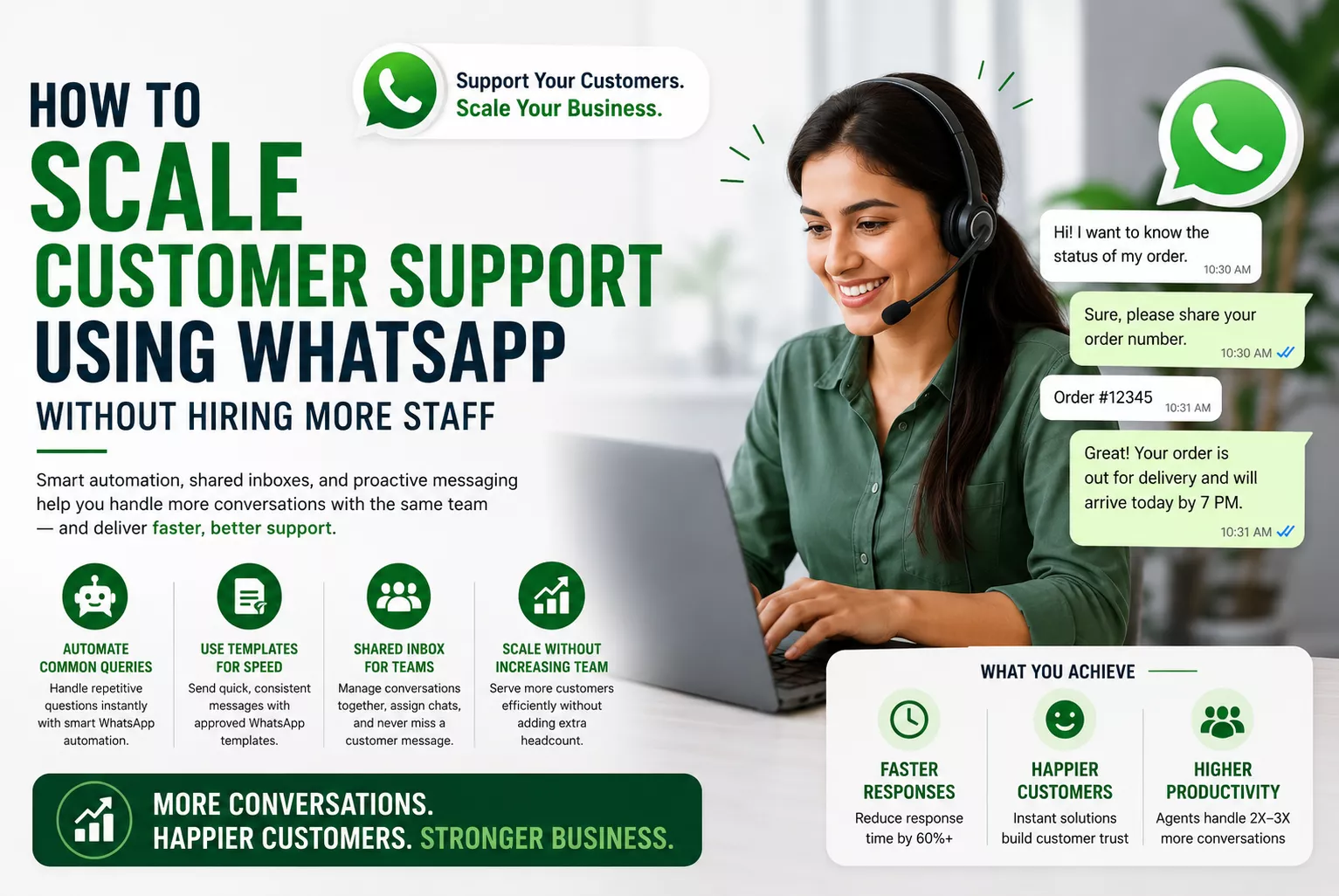
Re-engaged leads are a specific type of conversation that needs careful handling in the team inbox. They have history — an original enquiry, a period of silence, and now a new point of contact. An agent who picks up a re-engaged lead conversation without knowing any of that background is likely to treat them as a new enquiry and ask questions the lead already answered months ago. That experience signals to the lead that the business has no memory of them, which is exactly the wrong impression for a re-engagement conversation.
A multi-agent inbox with full conversation history solves this. The agent sees the original campaign, the lead’s reply, the automated exchange, and any notes from the previous contact attempt. They enter the conversation knowing who this person is and why they are back. ‘Hi Vikram, glad to hear from you again — I can see you were looking at our accounting software earlier this year. Has anything changed in what you need?’ That opening is only possible when the system preserves the context.
Routing rules in the inbox can also prioritise re-engaged leads based on their original lead score or the recency of their initial enquiry. A high-intent lead from two months ago who just re-engaged should not wait behind a new cold enquiry in the queue. The inbox can be configured to flag and prioritise those conversations automatically.
What a Successful Re-Engagement Programme Looks Like Over 90 Days
A business with 2,000 cold leads in its CRM runs a structured WhatsApp re-engagement programme over 90 days. Leads are segmented by recency and original interest. Templates are approved before launch. Automated flows handle immediate replies and follow-up sequences. The multi-agent inbox manages the conversations that automation escalates to humans.
At the 90-day mark, a typical result looks like this: 15 to 25 percent of the cold leads replied to at least one message. Of those who replied, 30 to 40 percent entered a meaningful conversation. Of those who had a conversation, a percentage converted — and those conversions came from leads the business had already paid to acquire and then written off.
The cost of re-engaging those leads is a fraction of what acquiring new ones would have cost. The margin on those conversions is higher because there is no acquisition spend against them. And the process runs largely automatically — the campaigns go out on schedule, the flows handle inbound, the inbox manages the human conversations. The team is not doing cold outreach one lead at a time. The system is.
At 24/7 Marketing, we build re-engagement campaigns as complete systems — segmented contact lists, approved templates built for re-engagement specifically, automated flows that keep momentum alive, and a multi-agent inbox that ensures no re-engaged lead gets lost in a queue. The leads are already there. The system just needs to go get them.
Ready to turn your cold lead list into active conversations? Visit 247marketing.in.