Somewhere between 2020 and now, a quiet shift happened. Businesses that were spending their entire digital budget on Google Ads, Facebook campaigns, and email sequences started noticing something uncomfortable: the returns were shrinking. Cost-per-click going up. Email open rates going down. Ad fatigue setting in faster. More spend, flatter results.
Meanwhile, a completely different category of business — smaller, leaner, sometimes with a fraction of the marketing budget — was closing leads through WhatsApp faster than anyone expected. Not because they had a secret, but because they went where the conversation actually happens.
This isn’t an argument that traditional digital marketing is dead. It isn’t. But in 2026, the honest comparison between WhatsApp marketing and conventional digital channels looks very different from what it did five years ago. Here’s what that comparison actually shows.
Where Traditional Digital Marketing Still Stands
To be fair about this, start with what traditional digital marketing does well — because it does do some things well.
Search ads capture demand that already exists. Someone searching ‘interior designer in Pune’ right now is in buying mode. A well-placed Google Ad at that moment is genuinely valuable. SEO, done properly over time, builds traffic that doesn’t require continuous spend. Social media advertising builds brand awareness at the top of the funnel — it introduces you to people who weren’t looking for you.
These channels are not broken. They’re just increasingly expensive to run, harder to differentiate on, and more removed from actual conversation. They put your message in front of people. They don’t start a dialogue.
That’s the structural gap. And it’s where WhatsApp marketing steps into a completely different lane.
The Reach Problem: Numbers That Don't Lie
Average email open rate in 2026: roughly 21% across industries, and that’s being generous. Average click-through rate: under 3%. Facebook organic reach for business pages: below 2% of followers. Even paid social, once you account for impressions that scroll past in 0.3 seconds, delivers thin engagement relative to spend.
WhatsApp message open rate: 98%. Response rate for well-targeted campaigns: between 25% and 60% depending on segment quality and message relevance. These aren’t aspirational figures — they’re what businesses running campaigns through the WhatsApp Business API are actually reporting.
The gap exists for a specific reason: people don’t check email the way they check WhatsApp. They don’t leave WhatsApp notifications piling up. A message on WhatsApp interrupts in a way that an email deliberately does not. For a marketer, that interruption — used responsibly — is the most valuable real estate in digital marketing right now.
Cost Per Conversation: The Metric That Changes Everything
Most businesses measure digital marketing by cost per lead or cost per click. But the metric that actually matters is cost per genuine conversation — a real, two-way exchange with someone who has buying intent.
On Google Ads, generating one genuine sales conversation might cost anywhere from Rs. 300 to Rs. 3,000 depending on the industry and keyword competition — and that’s after the click, after someone fills a form, after someone calls back, and after someone actually picks up. The funnel has four or five steps between ad and conversation, each one losing people.
On WhatsApp, a campaign sent to opted-in prospects starts a conversation directly. There’s no click to a landing page, no form to fill, no callback to schedule. Someone replies ‘tell me more’ and the conversation has begun. For businesses sending campaigns through 24/7 Marketing’s platform, the cost per actual conversation is a fraction of what paid search or paid social delivers.
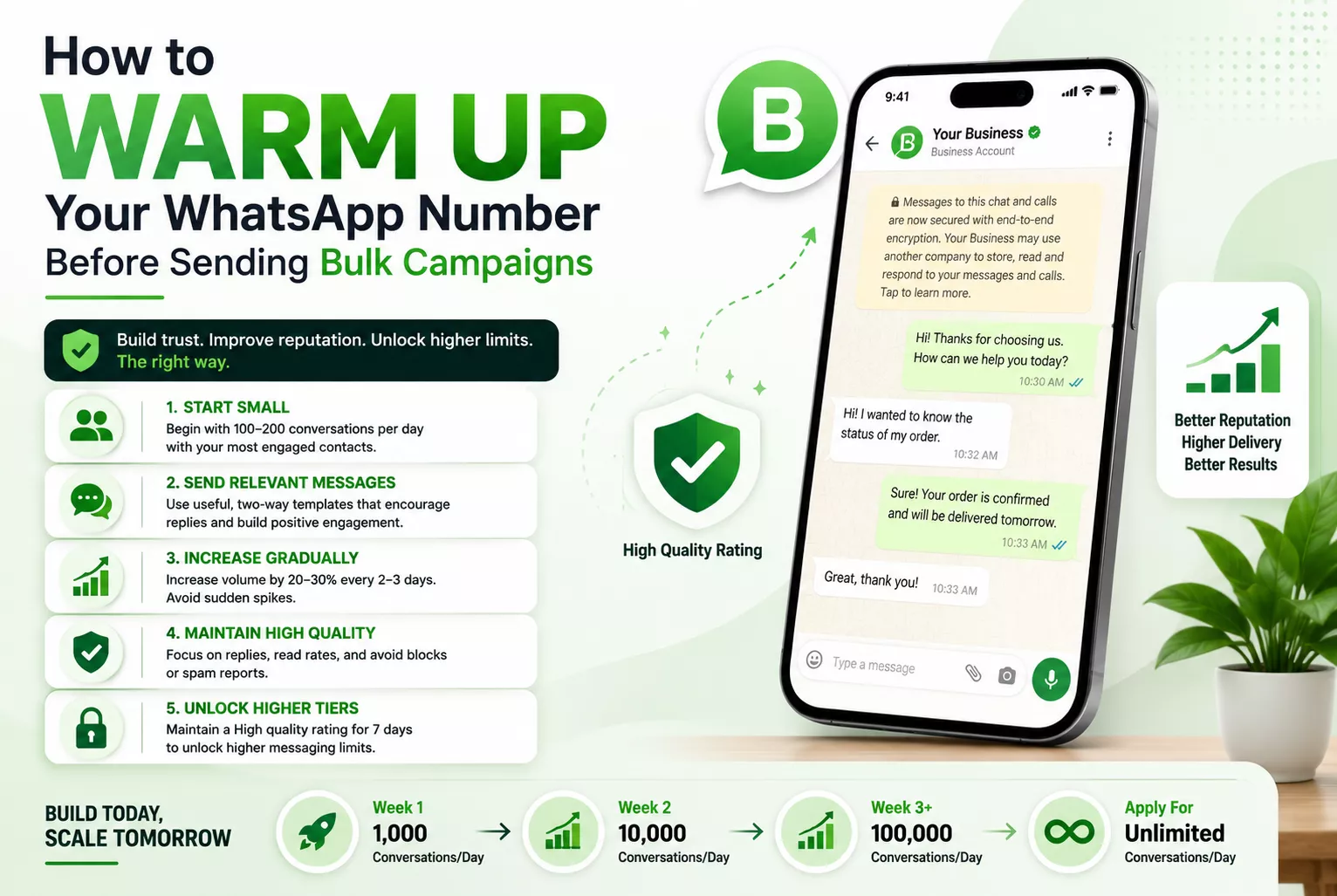
The tradeoff: WhatsApp requires an existing contact list of opted-in numbers. You can’t cold-target strangers the way you can with Google or Facebook. But the contacts you do have? You reach them at a cost that makes traditional paid channels look wasteful.
Speed from Message to Decision
Here’s a comparison that plays out thousands of times a day. Business A runs a Facebook ad for a new product. Someone sees it, maybe clicks, lands on a page, reads a bit, gets distracted, closes the tab. The retargeting ad finds them three days later. Eventually, maybe, they fill out a contact form. Someone calls them. They’re busy. They call back. The sales cycle from first impression to first conversation: five to seven days minimum.
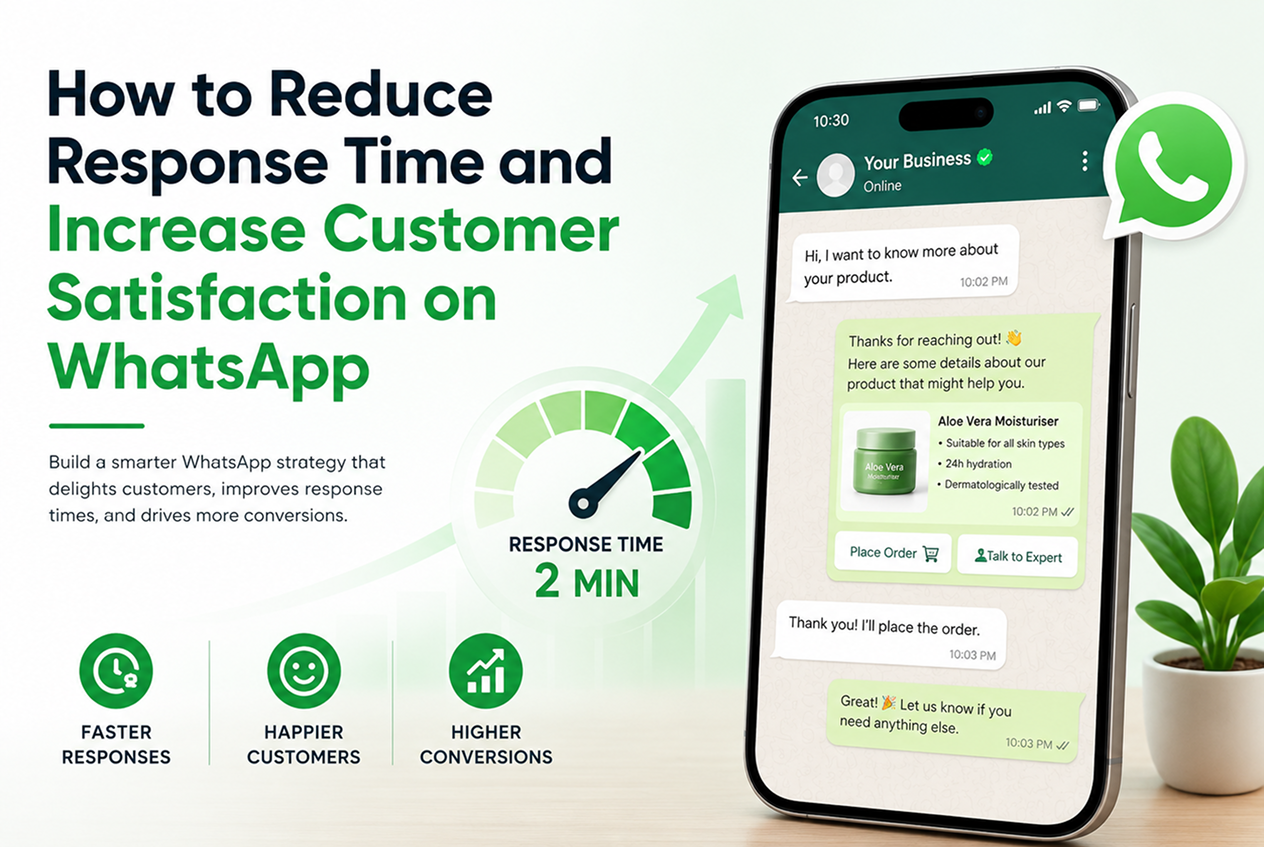
Business B sends a WhatsApp campaign to the same audience segment — people who’ve already expressed interest. The message lands. They read it in four minutes. They reply. Automated responses handle the initial questions. A live agent joins the thread with full context. First conversation happens within the hour. Decision often follows within 24.
The speed difference isn’t marginal. In industries where leads go cold within 48 hours — real estate, insurance, education, financial services — the channel that gets to a conversation first wins a disproportionate share of business. WhatsApp wins that race consistently.
What Email Still Does That WhatsApp Doesn't
The honest answer: long-form content, detailed documentation, formal communications, and archival value. If you’re sending a 1,200-word newsletter, a product specification sheet, or an invoice, email is still the right tool. Nobody wants that on WhatsApp.
Email also requires no opt-in through a specific platform — an email address is a lower barrier than a WhatsApp number in some B2B contexts. And email sequences for lead nurturing over weeks or months are well-established and cost almost nothing to run at scale.
The mistake isn’t choosing one over the other. It’s treating them as substitutes instead of complements. In practice, the businesses seeing the strongest 2026 results are using paid search and social to generate new contacts, email for long-form nurturing, and WhatsApp for the moments that require fast, personal, two-way engagement.
The Infrastructure Gap Most Businesses Hit
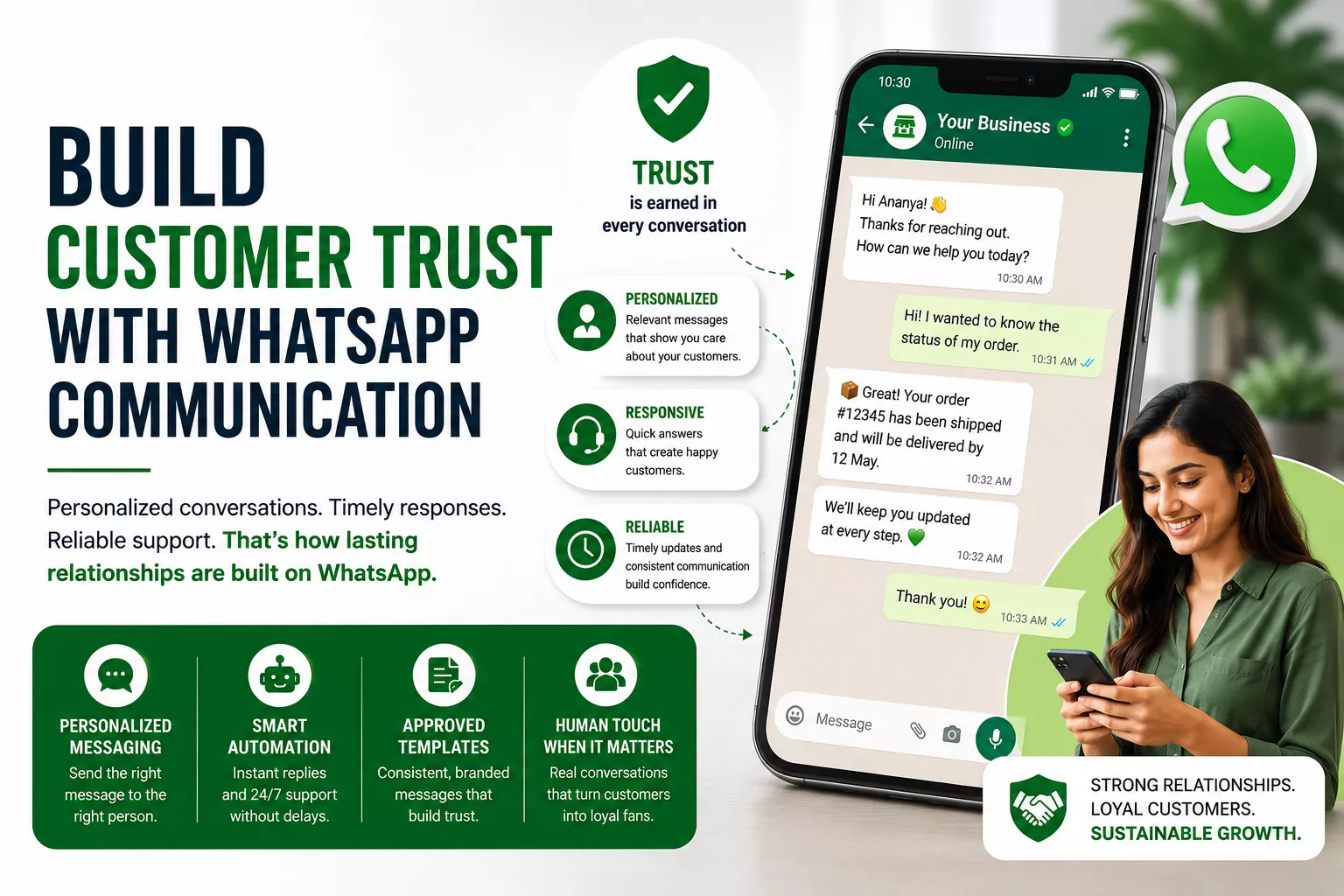
Here’s where WhatsApp marketing trips up businesses that haven’t built the right foundation: the channel rewards responsiveness. A campaign that generates 400 replies and can’t handle them fast enough is worse than no campaign at all. Customers who reply and wait hours feel ignored. The warmth of the channel works against you when the follow-through isn’t there.
Traditional digital marketing is more forgiving on this front. An email that sits in an inbox for 48 hours before someone calls the number is a slower process, but the customer expects it. A WhatsApp message that goes unanswered for six hours is a failure.
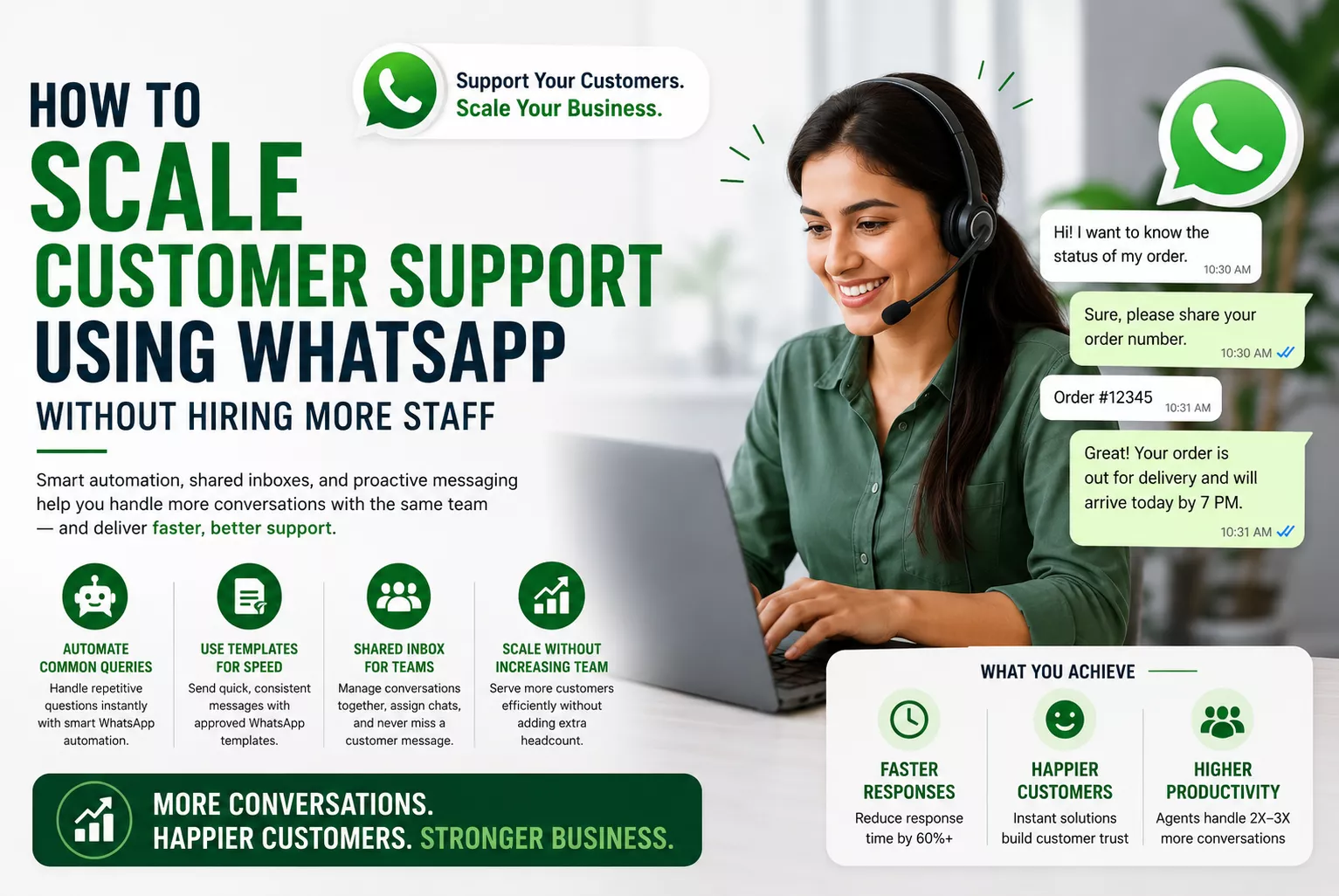
This is why the infrastructure behind WhatsApp campaigns matters as much as the campaigns themselves. Automated reply flows handle immediate inbound 24 hours a day. Approved templates ensure every outbound message is consistent and compliant. A multi-agent inbox means no conversation falls through the cracks when volume spikes after a campaign goes out — every agent has visibility, every lead has an owner, every reply gets a response.
At 24/7 Marketing, the entire setup — campaigns, templates, automation, and inbox management — is built as one connected system. Because a WhatsApp strategy that’s half-built is just a faster way to lose leads.
So What Actually Works in 2026?
Not a single channel. A deliberate stack. Use paid digital to build your audience and capture new interest. Use email for nurturing and long-form communication. Use WhatsApp for direct outreach to warm contacts, campaign-driven conversations, transactional updates, and the moments that need a fast, personal response.
Businesses still running their entire marketing operation through email and ads in 2026 and wondering why conversion rates have stalled are not spending more in the wrong places. They’re missing a channel that their customers are already on, already responsive to, and already expecting to hear from brands they trust.
The window to build a WhatsApp presence before it becomes as crowded as the email inbox is still open. Not for long.
Ready to add WhatsApp to your marketing stack the right way? Visit 247marketing.in.