Most marketing teams have a version of this problem: you have a solid offer, a clean contact list, and a message you’re confident in — but no reliable way to get it in front of people fast enough to matter. You run an email campaign. Half the addresses bounce or land in promotions. You try paid ads. The cost-per-click makes the numbers ugly. You call. Nobody picks up.
Then someone on the team suggests WhatsApp. Suddenly messages are getting read. People are responding. Deals are moving.
This isn’t a coincidence or a fluke. WhatsApp has a 98% open rate, and in a market like India where the app is installed on virtually every smartphone, it’s genuinely the most direct line you have to a prospect. The question isn’t whether you should be using it — the question is whether you’re using it at scale, or still doing it manually one message at a time.
That’s exactly what a WhatsApp bulk messaging platform is designed to solve. Here’s how it changes the game for marketing campaigns.
You Stop Sending One Message at a Time
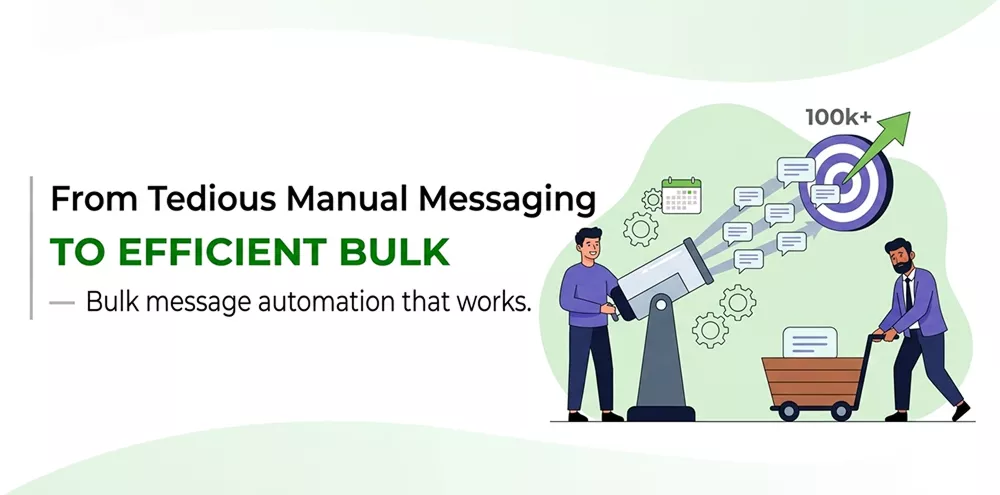
The most obvious shift: you go from manually typing or copy-pasting messages to deploying a campaign to thousands of contacts in minutes. But it’s not just about speed. The platform handles the routing, the delivery, the timing — so your marketing team isn’t spending their day hunched over a phone.
Think about a product launch. You have 8,000 warm leads from the last six months. On WhatsApp, done manually, that’s impossibly time-consuming and violates Meta’s policies. Through a bulk messaging platform built on the WhatsApp Business API — like what 24/7 Marketing sets up — you send to that entire list in a controlled, compliant campaign, with delivery reports showing who received it, who opened it, and who replied.
Scale that was out of reach for small and mid-sized teams is now just a matter of uploading your list and hitting send.
Approved Templates Keep Campaigns Consistent and Clean
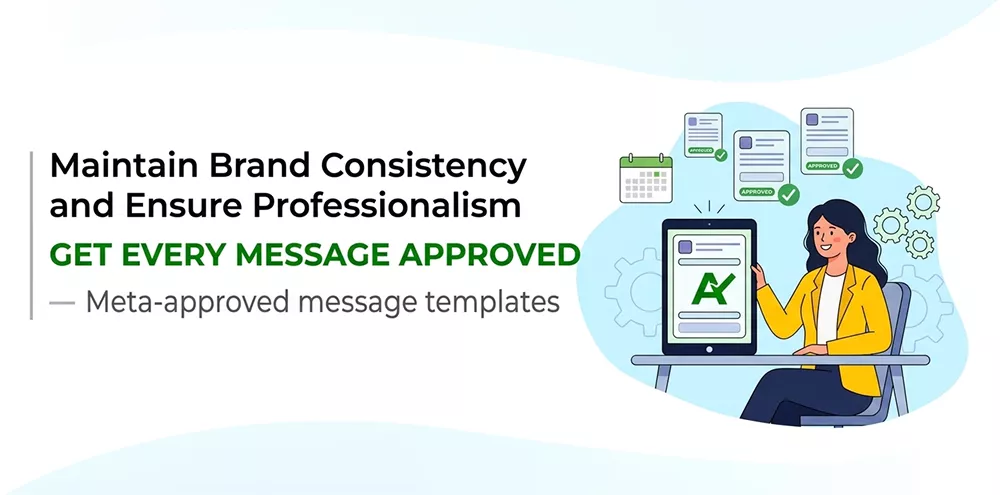
Here’s something brands learn quickly about WhatsApp at scale: you can’t just fire off any message. The Business API requires pre-approved message templates for outbound campaigns — and honestly, that’s a feature disguised as a constraint.
When every campaign message goes through an approved template, you get brand consistency across every touchpoint. Your flash sale message looks the same whether it goes to 100 people or 100,000. No agent improvising, no off-brand wording, no missing discount codes. The message your CMO approved is the exact message your customer reads.
The templates are also dynamic. You’re not blasting identical text to everyone. Variables like name, product, city, or offer amount can be personalized per recipient. So a customer in Ahmedabad sees a message referencing their city and their last purchase, while someone in Mumbai sees something equally relevant to them. Same template, genuinely personal feel.
At 24/7 Marketing, getting templates drafted, structured correctly, and approved through Meta is part of the setup process — because a poorly written template request gets rejected and delays your entire campaign calendar.
The Replies Don't Have to Overwhelm Your Team
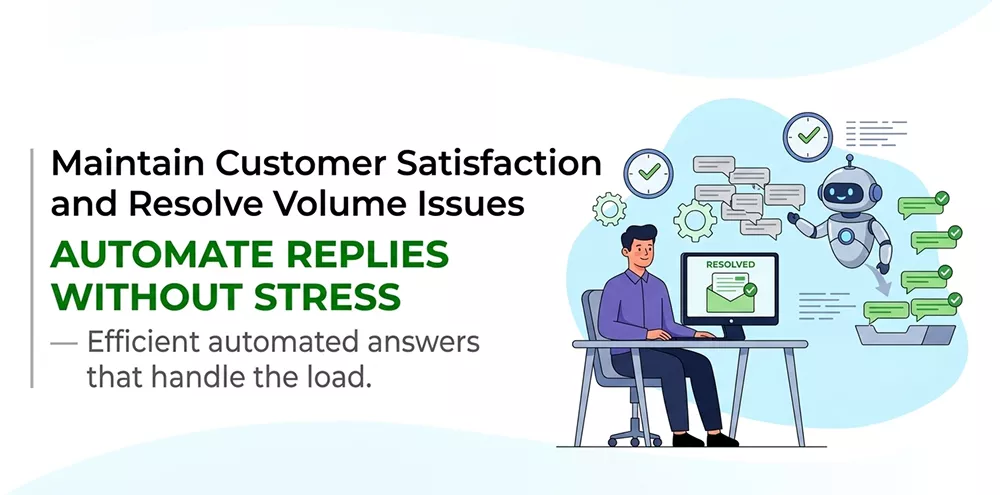
This is where a lot of businesses hit a wall when they first try WhatsApp marketing at scale. The campaign goes out to 5,000 people. It works. Suddenly 600 people reply within an hour — and there’s one person trying to manage all of it on a single phone. That’s not scale. That’s chaos.
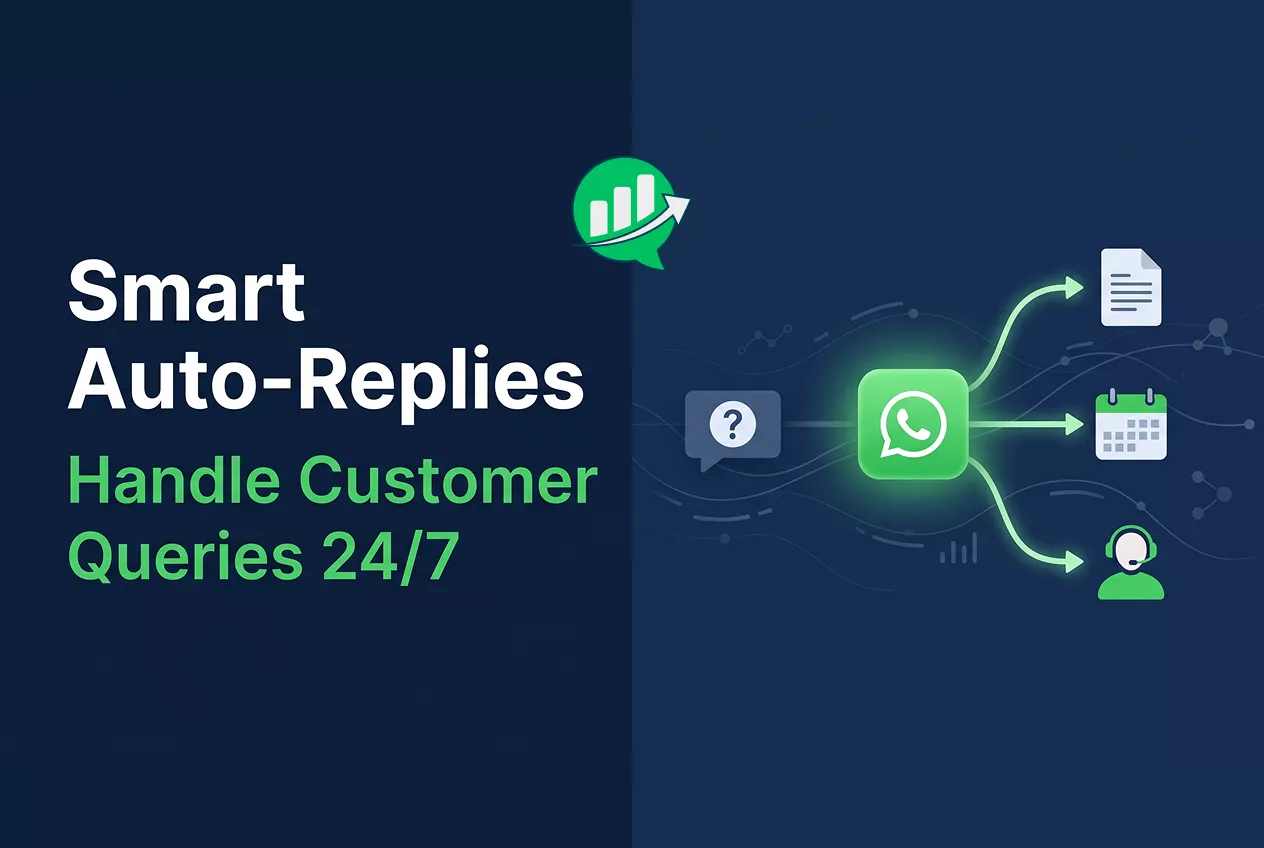
Automated customer replies are what make bulk messaging actually sustainable. When your platform has automation built in, common inbound responses get handled without human intervention. Someone replies “Price?” — they get your pricing message automatically. Someone says “Book a demo” — the flow kicks off and captures their details. Someone asks about availability — they get a live inventory update.
The automation layer acts as a filter. Routine queries get resolved instantly. Only the conversations that genuinely need a human — complex questions, negotiations, complaints — land in your team’s queue. Your agents spend their time on conversations where their judgment actually makes a difference.
For a business running a campaign promoting a home loan product, for instance, automated flows can qualify leads by asking a few key questions before a sales rep ever gets involved. By the time a human joins the conversation, they already know the prospect’s loan amount, tenure preference, and property type. The conversation is warmer, shorter, and more likely to convert.
Multiple Agents, One Number, Zero Confusion
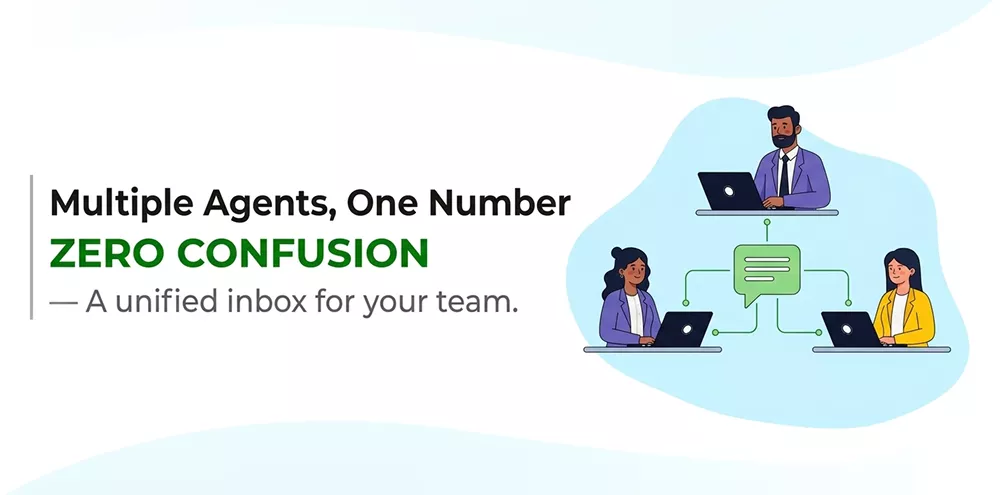
Scale also means your team grows. And when five people are trying to manage responses from a single WhatsApp number using a shared device or screen, things fall apart fast. Messages get double-answered. Some never get answered. Nobody knows who owns which conversation.
A multi-agent inbox fixes this at the infrastructure level. Every agent logs in to a shared dashboard. Conversations get assigned — either manually by a supervisor or automatically based on rules you define. An agent working on a follow-up from Tuesday’s campaign can see the full conversation history. A supervisor can look across the entire inbox, spot backlogs, and redistribute workload in real time.
Routing rules make this even more powerful for marketing campaigns specifically. Leads generated from a Diwali sale campaign can route to your deals-focused sales team. Technical questions about a product can route to support. VIP or high-value contacts can be flagged and routed to senior agents. The campaign generates the lead — the inbox ensures it gets handled correctly.
The Metrics That Actually Matter
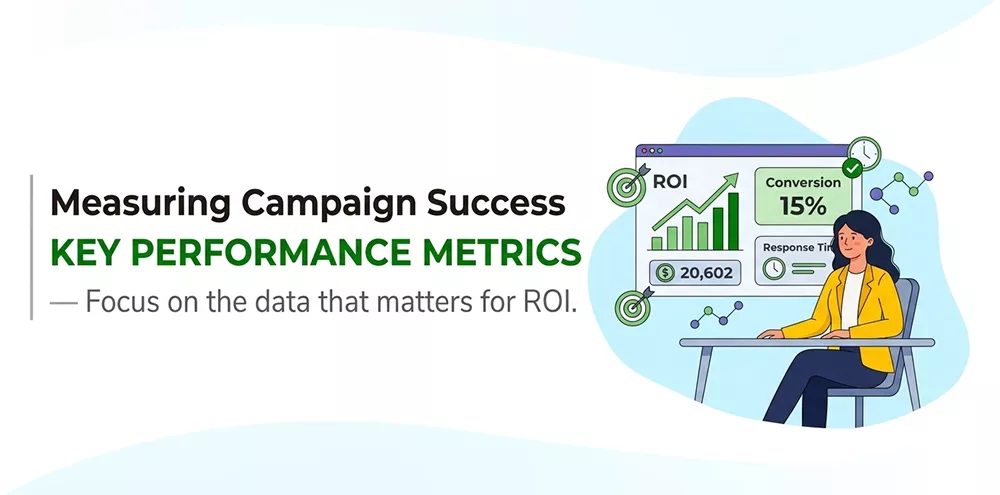
Bulk email campaigns give you open rates and click-through rates. WhatsApp gives you something closer to real evidence of interest. When someone reads your message and replies — even just “tell me more” — that’s a two-way conversation, not a passive metric.
A bulk messaging platform gives you delivery receipts, read receipts, and response data. You can see which message variant drove more replies. Which segment responded fastest. Which campaign generated the most qualified conversations versus just replies. Over time, this shapes smarter campaigns — you stop guessing what resonates and start building on what the data shows.
Scale Isn't Just About Volume
The businesses that get the most out of WhatsApp bulk messaging aren’t the ones blasting the most messages. They’re the ones who treat it as a conversation channel, not a broadcast channel. Bulk sending gets the message out. Smart automation, approved templates, and a structured inbox are what convert that reach into revenue.
At 24/7 Marketing, we don’t just hand you a platform and wish you luck. We handle the full stack: campaign setup, template approval, automation flows, and multi-agent inbox configuration. Whether you’re scaling up from scratch or cleaning up a WhatsApp setup that’s become unmanageable, the goal is the same — a system where your marketing campaigns reach more people, respond faster, and close more deals.
Your audience is already on WhatsApp. The only question is whether you’re showing up like a brand that has its act together — or one that’s still figuring it out.
Want to launch your first WhatsApp bulk campaign the right way? Get in touch with 247marketing.in.