It is 9:47 PM. A prospect who has been comparing three vendors all evening finally settles on the one that feels right and sends a WhatsApp message: ‘Hi, interested in your premium package, can you share pricing and availability?’ Your sales team finished work at 7 PM. Nobody sees the message until 9:30 the next morning. By then, the prospect has already heard back from a competitor who replied within the hour, asked a few clarifying questions, and is now mid-conversation with someone else.
This sequence plays out every single night across businesses that have not built a system for after-hours WhatsApp coverage. It rarely gets discussed in sales reviews because there is no line item for ‘leads lost to silence.’ But the cost is real, it is recurring, and it compounds every evening your business is not actually present on the channel customers expect a fast response from.
The Window Is Shorter Than Most Businesses Assume
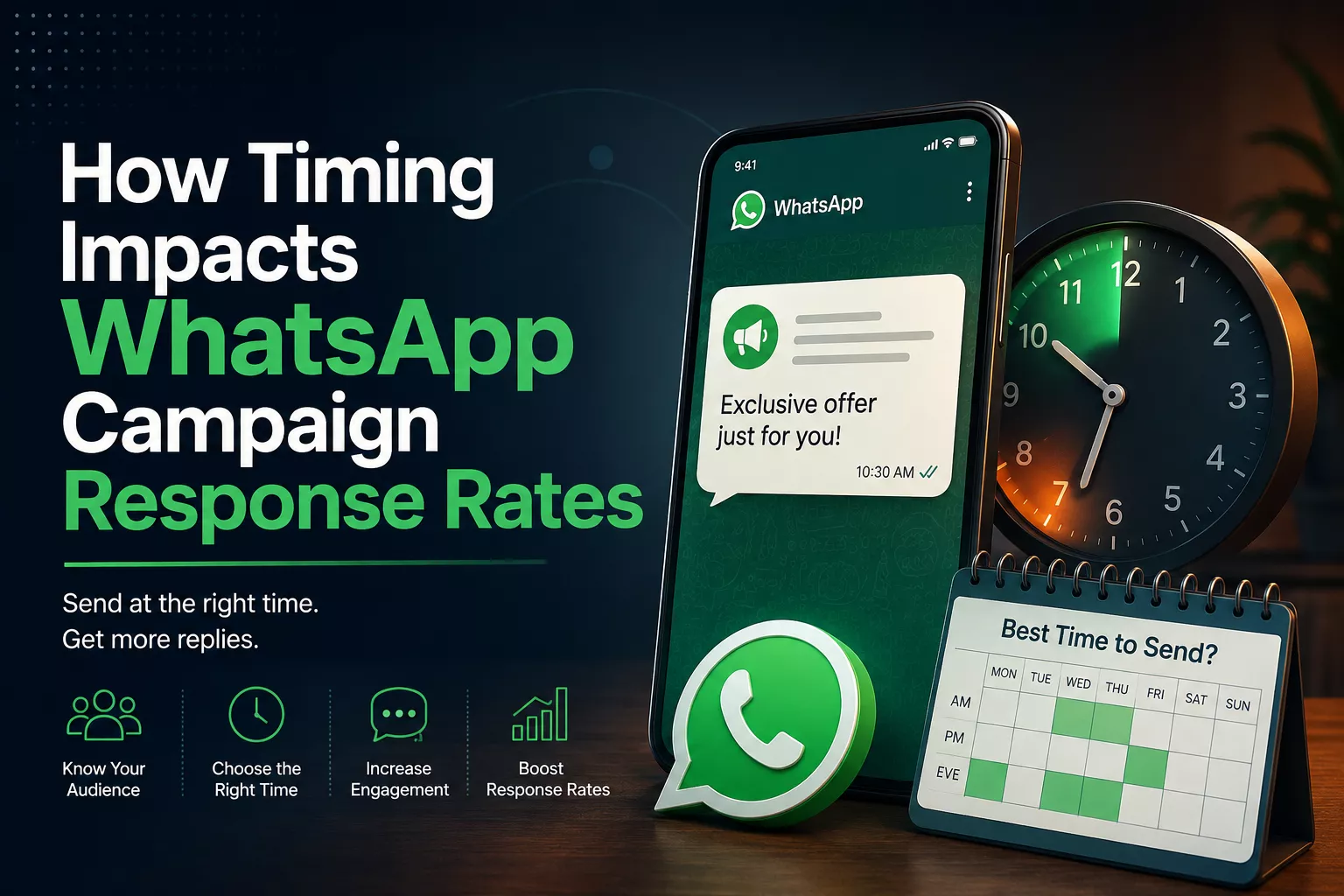
A widely cited study on lead response time found that the odds of qualifying a lead drop by roughly 80 percent if contact is not made within five minutes of their initial enquiry, and continue dropping sharply for every additional minute after that. This data was gathered primarily around phone and form-based leads. On WhatsApp, where the expectation of speed is even higher because the channel is built for real-time conversation, the window is likely tighter, not wider.
A prospect messaging at night is often in a decisive moment — they have done their research during the day, narrowed their options in the evening, and are reaching out at the point where they are ready to move forward. That moment does not pause and wait for business hours. If your business is silent, the moment passes to whichever competitor responds while the decision is still active.
Why After-Hours Enquiries Are Often Your Highest-Intent Leads
There is a pattern worth paying attention to: people messaging businesses at 9 PM, 10 PM, or later on WhatsApp are frequently further along in their decision process than people messaging at 11 AM. The 11 AM enquiry might be early-stage browsing during a work break. The 9 PM enquiry often comes after someone has had time to think, compare, and decide they want to take the next step — in their personal time, when they are not distracted by work.
For service businesses especially — real estate, financial planning, education, healthcare, home renovation — evenings and weekends are when prospects actually have the headspace to research and reach out. Treating those hours as ‘off’ for your sales process means treating your highest-intent window as your lowest-coverage window. That mismatch is where the real cost sits.
What Actually Happens to a Missed After-Hours Lead
The lead does not always disappear immediately. More often, it degrades. The prospect’s enthusiasm at 9:47 PM is not the same as their enthusiasm at 9:30 AM the next day. Overnight, they have either resolved the question elsewhere, lost momentum, or started exploring other options out of necessity because nobody answered.
When a sales rep finally responds the next morning, they are often working with a colder version of the same lead. The reply rate to a delayed morning follow-up is meaningfully lower than it would have been to an immediate evening response. Some prospects do not respond at all — not because they were never serious, but because the moment that prompted them to reach out has passed and they have moved on with their day, their decision, or their purchase from somewhere else.
Multiply this across every evening, every weekend, and every public holiday your business operates without WhatsApp coverage, and the cumulative loss over a quarter is significant — even though no single missed message ever shows up as a tracked failure in your sales reporting.
Why Hiring Night-Shift Sales Staff Rarely Makes Sense
The obvious solution — staff someone to monitor WhatsApp after hours — runs into practical and financial problems quickly. Night-shift staffing costs more, requires management overhead, and is hard to justify when after-hours volume, while important, is rarely high enough to need a dedicated full-time person sitting and waiting for messages that might come in sporadically across the evening.
Most businesses that try this end up with a part-time or rotating arrangement that is inconsistent, expensive relative to the volume it covers, and prone to gaps when the person assigned that night is unavailable. It solves the problem in theory but rarely holds up in practice.
What Automated Replies Actually Do in This Window
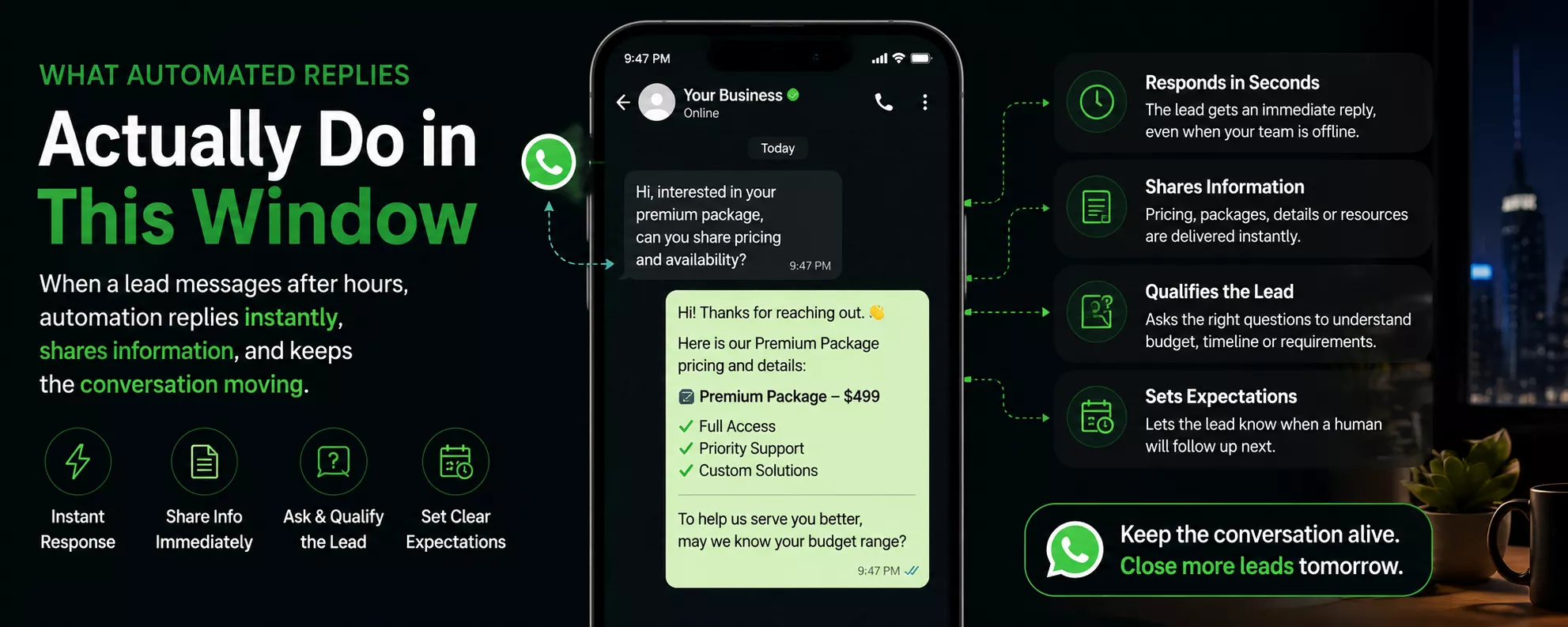
Automated reply flows solve the after-hours gap without requiring a person to be awake and monitoring the inbox. When the prospect’s 9:47 PM message arrives, the flow responds within seconds — not with a generic away message, but with something that actually moves the conversation forward.
For the premium package enquiry, the flow can share the pricing information directly, ask one or two qualifying questions — budget range, timeline, specific requirement — and let the prospect know a team member will follow up first thing in the morning at a specific time. The prospect gets real information immediately and a clear expectation of when a human will continue the conversation. Their enthusiasm does not have a chance to cool into silence, because the conversation never actually stopped.
By the time the sales rep opens the conversation at 9:30 AM, they are not starting from a generic ‘I’m interested, please share details’ message. They are looking at a thread with pricing already shared, qualifying questions already answered, and a specific commitment already made. The rep’s first message is not ‘tell me about your requirement.’ It is ‘Good morning, Rohan — following up as promised. Based on what you shared, our premium package fits well. Want to set up a quick call this morning?’ That is a fundamentally warmer conversation than the one that would have happened with no automation overnight.
The Role of Approved Templates in the After-Hours Flow
For the after-hours automated response to work well, the message templates behind it need to be built and approved in advance — pricing information templates, qualifying question templates, the morning follow-up commitment message, and the escalation template that tells the prospect their query has been noted and when to expect a reply.
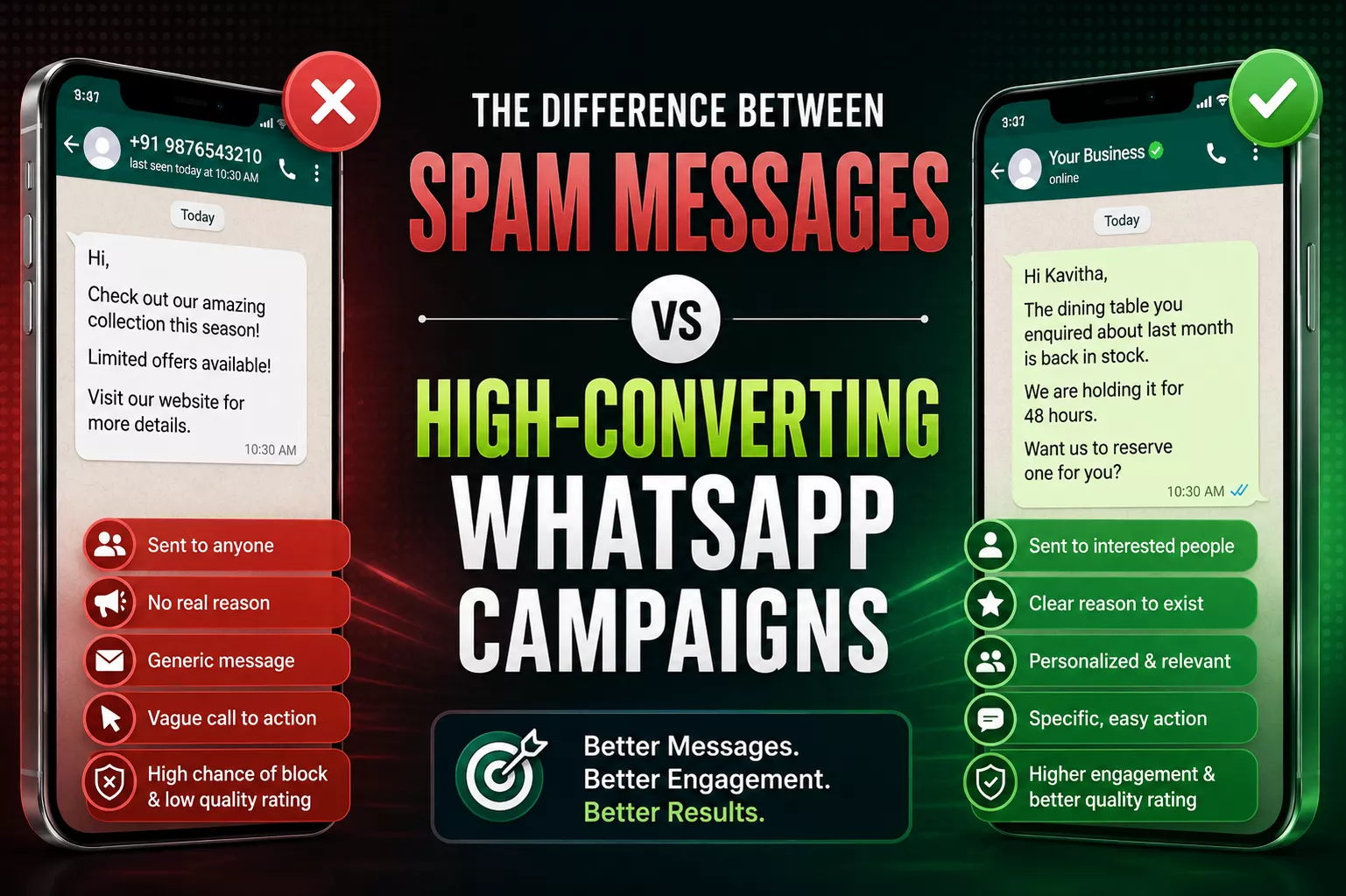
This is not a generic away message dressed up as automation. It is a structured set of responses covering the actual questions prospects ask after hours, ready to deploy the moment a message comes in. Businesses that build this properly are not improvising responses at midnight — the system already knows what to say because the templates were thought through and approved ahead of time.
Why the Multi-Agent Inbox Matters for the Morning Handoff
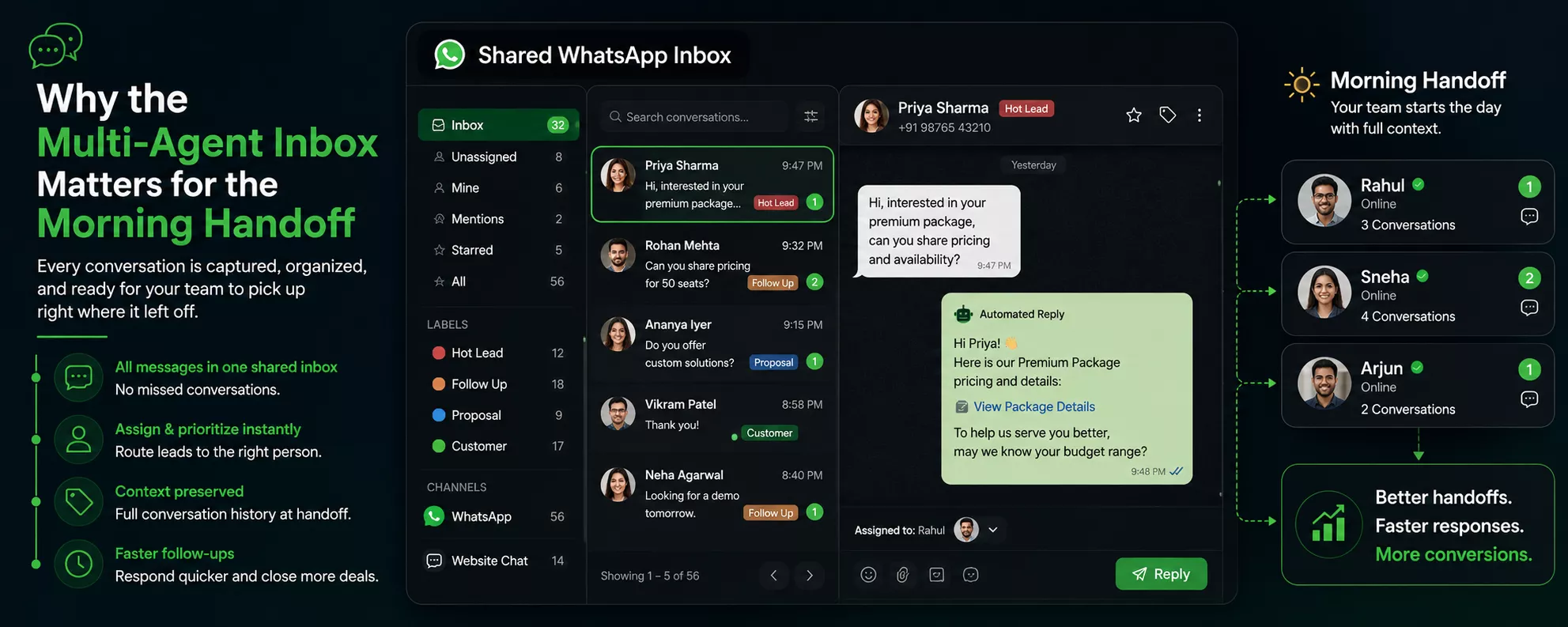
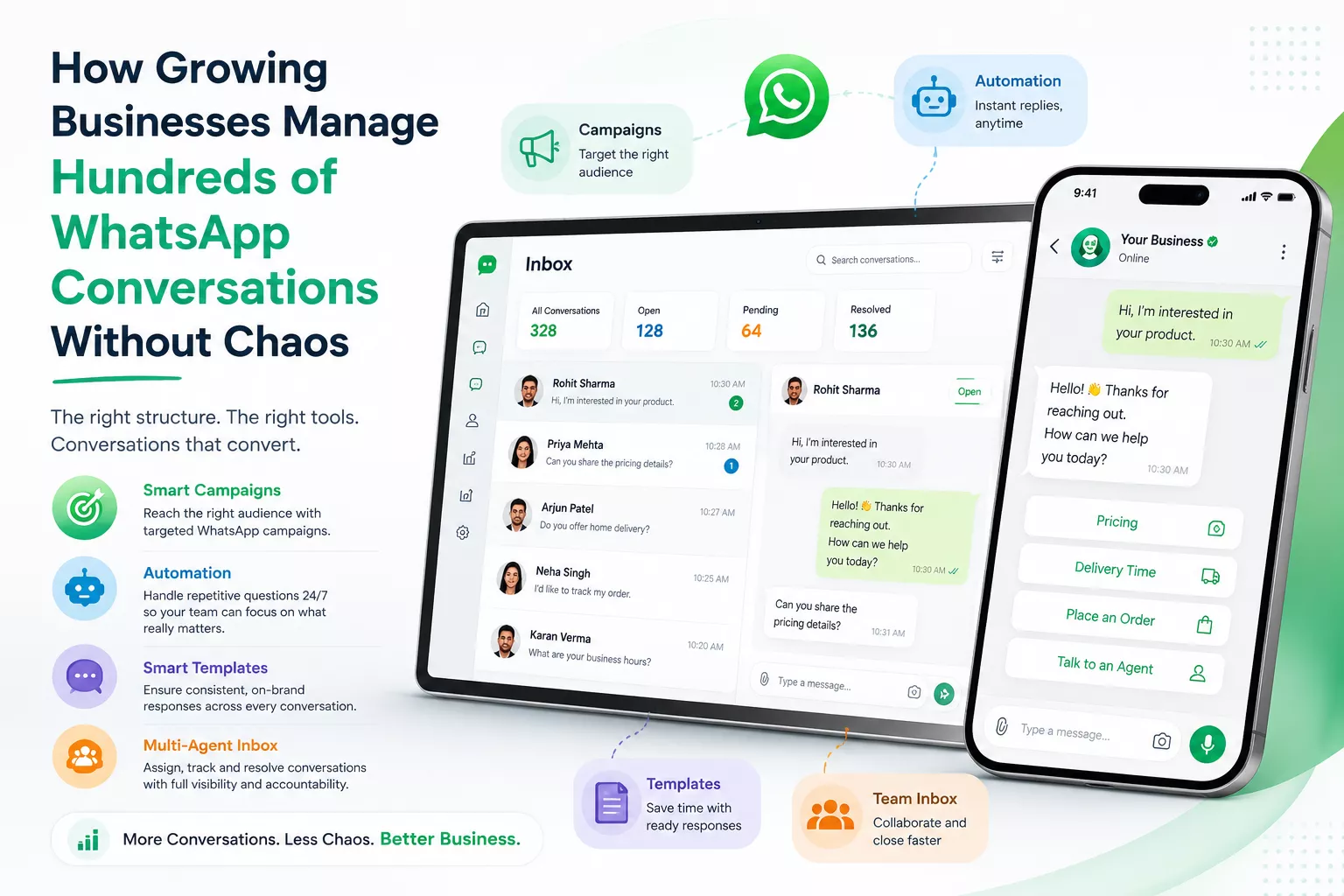
Overnight enquiries do not arrive one at a time in a predictable order. By morning, a business might have a dozen separate after-hours conversations that need human follow-up, each at a different stage based on how the automated flow handled them. Without a structured system, these get worked inconsistently — whoever logs in first picks the easiest ones, some sit untouched for hours, and there is no visibility into which leads are highest priority.
A multi-agent inbox solves this by surfacing every overnight conversation in a shared queue, visible to the whole team the moment they log in. Conversations can be flagged by priority — a prospect who shared a specific budget and timeline ranks above one who asked a single general question. Routing rules can automatically assign overnight leads to specific agents based on territory, product line, or availability, so the morning starts with an organised queue rather than a scramble to figure out who handles what.
The commitment made by the automated flow — ‘someone will follow up by 10 AM’ — also needs to actually be kept. The inbox makes this visible: supervisors can see which overnight conversations have an outstanding morning commitment and ensure they are addressed within the promised window, rather than the promise quietly slipping because nobody was tracking it.
The Real Cost of Doing Nothing
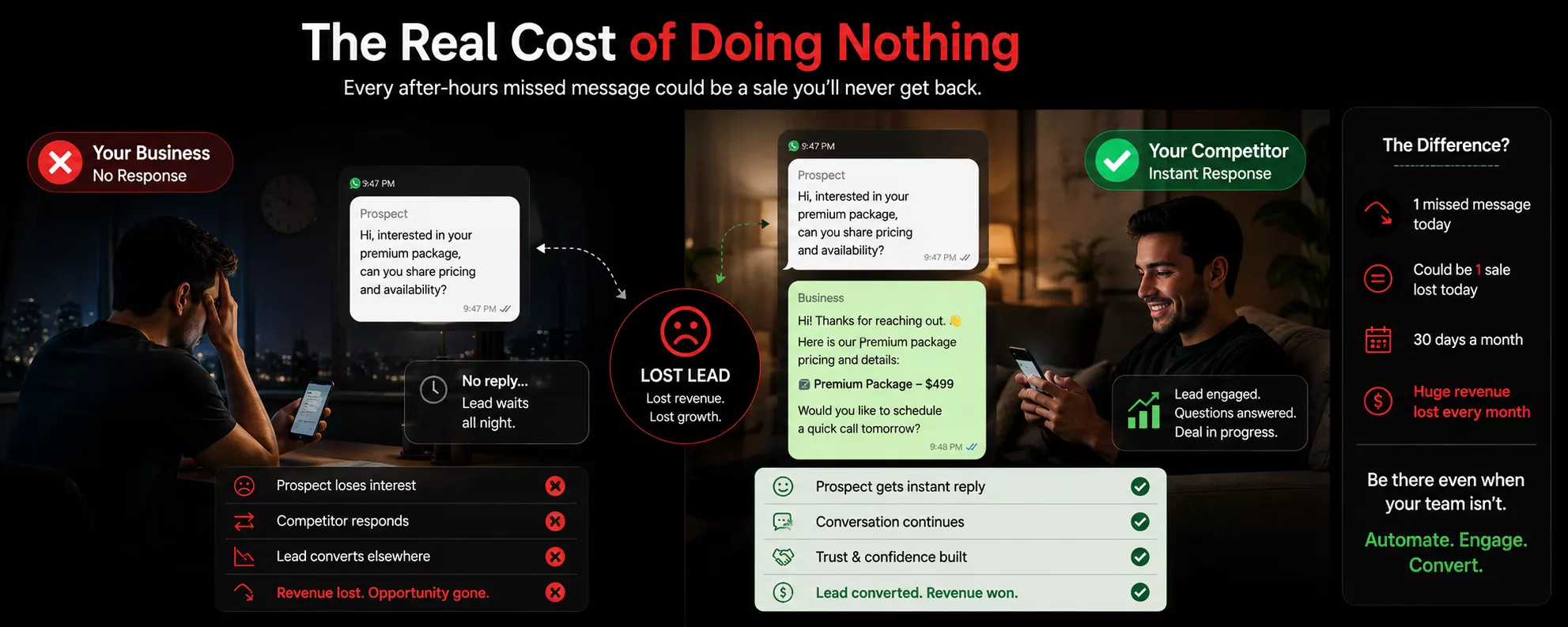
Businesses that have not addressed after-hours WhatsApp coverage are not failing visibly. There is no alert, no dashboard showing the lead that went cold at 10 PM last Tuesday. The loss is silent and distributed across hundreds of small missed moments rather than one obvious failure — which is exactly why it persists for so long without being fixed.
The businesses that close this gap are not the ones with the biggest sales teams. They are the ones that built a system — automated replies that respond the moment a message arrives, approved templates ready to deploy, and a multi-agent inbox that organises the morning follow-up — so the business is effectively present on WhatsApp at the exact hours when prospects are reaching out, not just the hours staff happen to be at their desks.
At 24/7 Marketing, this is exactly what we build — a complete WhatsApp system that ensures your business never goes silent on a lead simply because the clock struck 7 PM.
Stop losing leads to the hours your team is offline. Visit 247marketing.in.