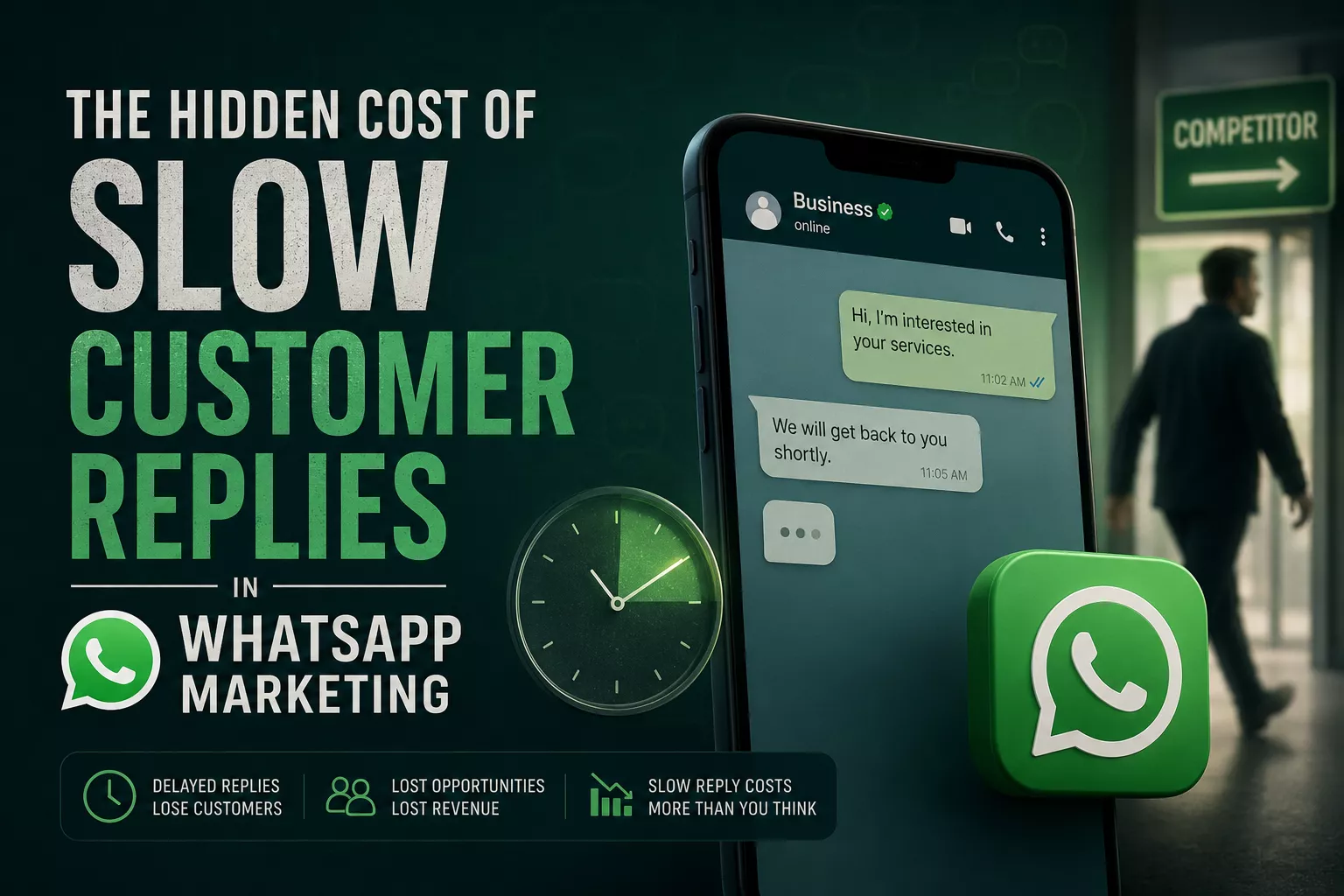
Every business has a version of this story. A prospect enquired three months ago. A sales rep called twice, left a voicemail, sent an email, got nothing back. The lead got tagged as cold and moved to the bottom of the pile. Six months later, someone from the team notices the same person has signed up with a competitor. The assumption made internally: they were never really interested.
That assumption is often wrong. The more accurate version of what happened: the prospect was interested, the timing was off, the follow-up method did not connect, and by the time the business tried again — if it tried again — the prospect had already made a decision elsewhere. Not because the competitor was better. Because the competitor stayed in front of them.
Cold leads are not a problem of interest. They are a problem of timing, channel, and follow-up frequency. Most businesses give up on leads well before those leads have actually made a final decision — and that gap is where recoverable opportunities quietly disappear.
What Makes a Lead Cold vs. Gone
There is a meaningful difference between a lead that has gone cold and a lead that is genuinely gone. A gone lead has bought from a competitor, changed their mind entirely, or no longer has the problem your product solves. A cold lead is simply one where the decision has stalled — the need still exists, the budget has not evaporated, but the momentum has dropped because nothing has kept it alive.
The problem is that most businesses treat these two categories the same way. A lead goes quiet for two weeks and gets mentally written off as lost. The CRM tag changes to cold or not responding and the follow-up stops. But the decision that lead was considering has not necessarily been made. They may simply be busy, waiting for budget approval, in a review cycle that takes longer than expected, or comparing options and not quite ready to commit.
The business that stays visible during that period — through relevant, well-timed messages that do not feel like pressure — has a significantly higher chance of being the one the lead comes back to when they are ready. The business that stopped following up is not even in consideration.
Why Most Follow-Ups Fail Before They Even Start
The follow-up approach most businesses use for cold leads is one of three things: a phone call that goes unanswered, an email that lands in a promotions tab, or a WhatsApp message that is either too generic to warrant a reply or too sales-heavy to feel like anything other than pressure.
None of these are bad ideas in isolation. The problem is the execution. A cold lead follow-up that repeats the original pitch — the same offer, the same message, the same framing — gives the lead no new reason to engage. They already saw this. They did not act on it. Sending it again signals that the business has not thought about why they did not act, which makes the message feel lazy and the business feel out of touch.
Effective follow-up for cold leads changes the angle with every touchpoint. It gives the lead a new piece of information, a different way to see the problem, a result from a customer in a similar situation, or a piece of timing that makes the message relevant right now rather than repeating a pitch that failed the first time.
Why WhatsApp Changes the Re-Engagement Equation
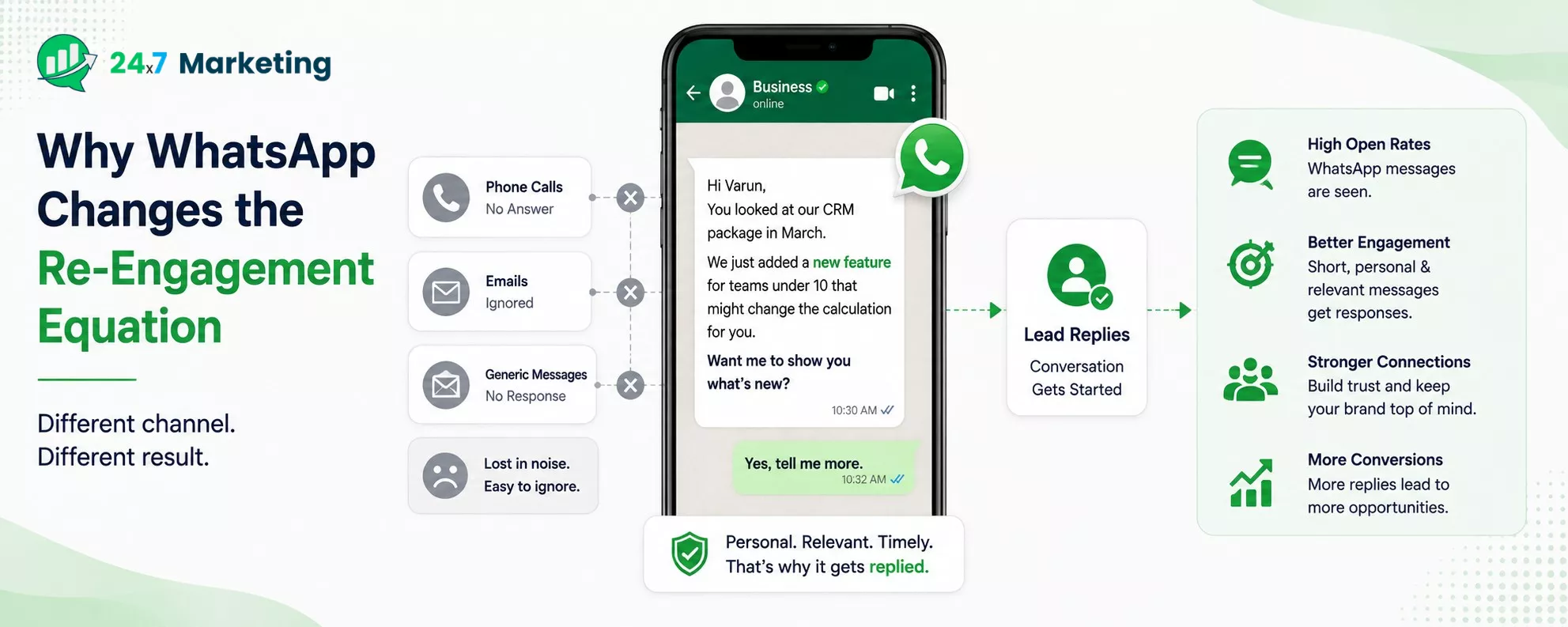
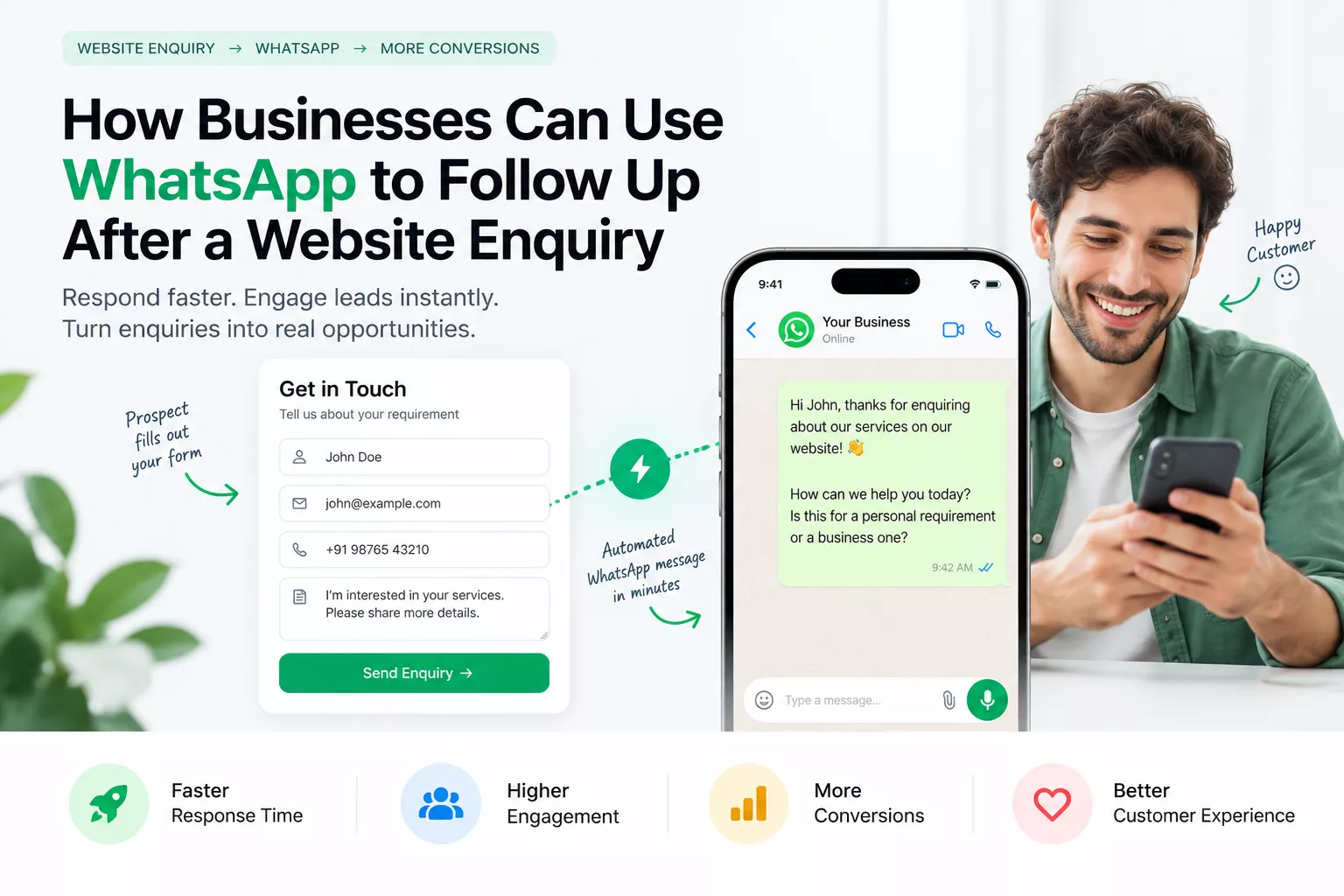
The same lead who ignored three emails and two calls will often reply to a WhatsApp message. This is not because WhatsApp is magic. It is because the channel sits in a different mental category for most people — one associated with personal, immediate, relevant communication rather than marketing and formality.
A WhatsApp re-engagement message also looks different from an email. It does not need a subject line, a greeting paragraph, a value proposition section, and a sign-off. It can be two sentences that go straight to something specific: ‘Hi Varun, you looked at our CRM package in March. We just added a feature for teams under 10 that might change the calculation for you — want me to show you what is new?’ That message is personal, brief, and gives a concrete reason to respond that was not available in March.
The brevity is the point. On WhatsApp, a long message reads as an email that arrived in the wrong place. A short, specific message reads as someone who knows what they want to say and respects the recipient’s time. Cold leads respond to the second type because it does not feel like a pitch — it feels like a relevant update from someone who has been paying attention.
The Campaigns That Revive Cold Lists
Re-engagement campaigns to cold leads work when they are segmented and specific. A business with 2,000 cold leads in its CRM does not send one campaign to all of them. It segments by how recently they went cold, what they originally enquired about, and what has changed since they last engaged.
Leads who went cold in the last 60 days are the warmest and need the most direct approach — a simple check-in referencing their original enquiry and asking if anything has changed. Leads who went cold between two and six months ago need a different angle — something that signals the business or product has moved forward since they last looked. Leads older than six months need the most careful handling — a genuinely useful piece of content or a significant change in the offer before any sales message is appropriate.
Each of these segments gets a different approved WhatsApp template, built for the specific type of re-engagement that group needs. At 24/7 Marketing, the template library for re-engagement campaigns is built with this segmentation in mind from the start — because a template written for a 60-day cold lead sent to an 8-month cold lead reads as tone-deaf, and a tone-deaf re-engagement message does not just fail, it burns the contact permanently.
What Happens When the Re-Engaged Lead Replies
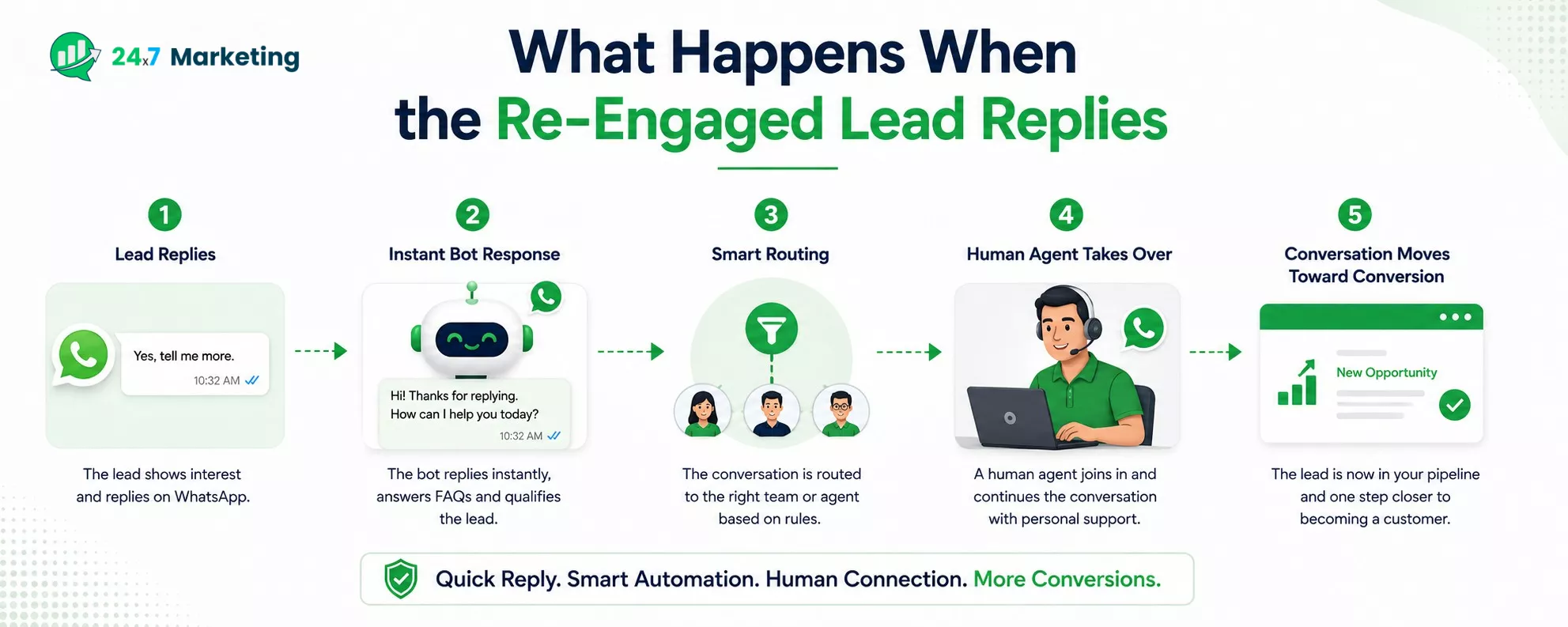
A re-engagement campaign that works creates a specific problem: a lead who was cold responds, often unexpectedly, and the business has a narrow window to convert that renewed interest into momentum. If the reply goes unacknowledged for four hours, the window closes. The lead feels like their re-engagement was wasted on a business that still cannot respond quickly.
Automated reply flows close this gap. The moment a cold lead replies to a re-engagement message, the flow picks up immediately — acknowledging the response, gathering any updated information the flow is designed to collect, and either resolving the conversation or flagging it for a human agent. The lead’s renewed interest is met with immediate attention, which reinforces the sense that this business is different from the last time they engaged.
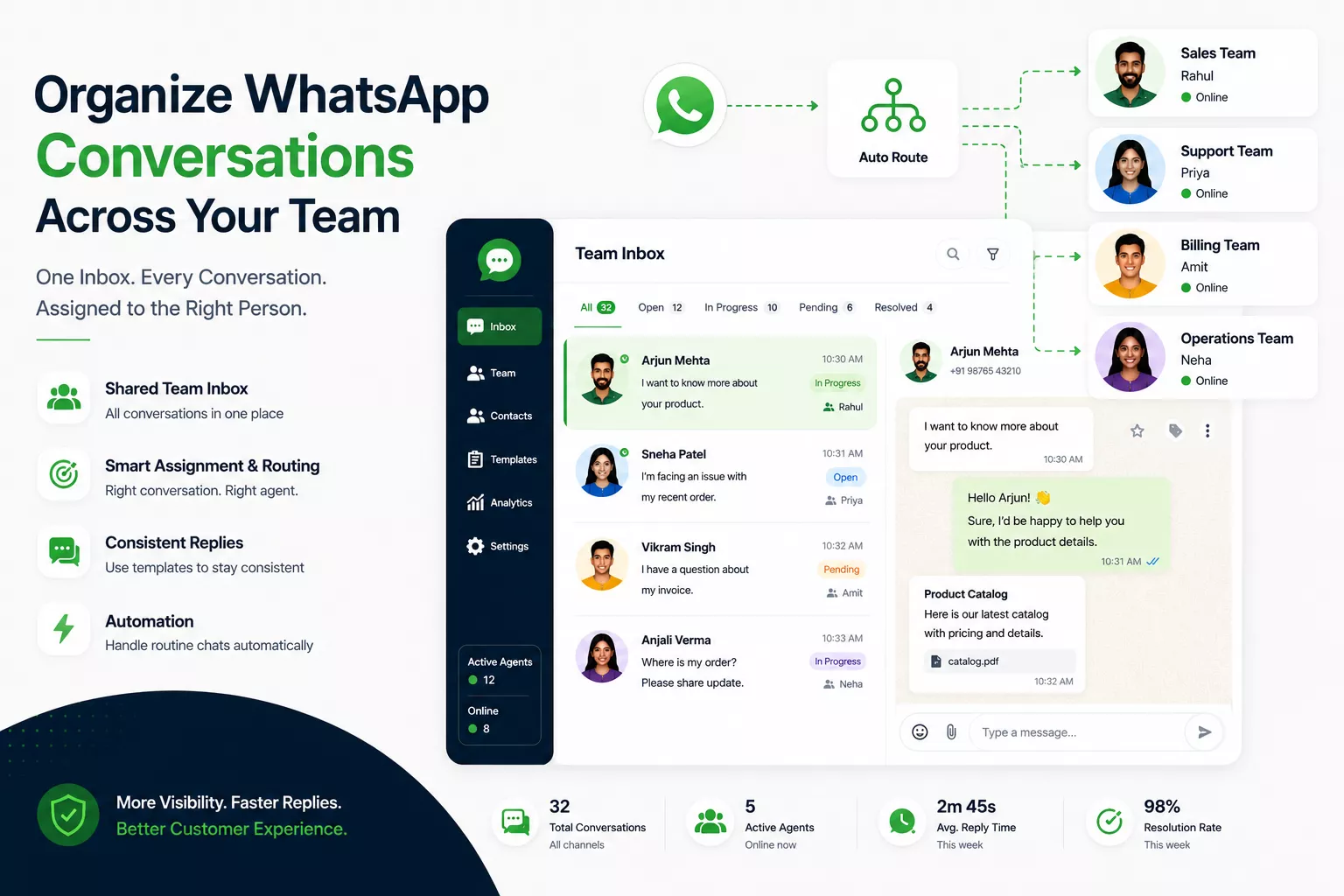
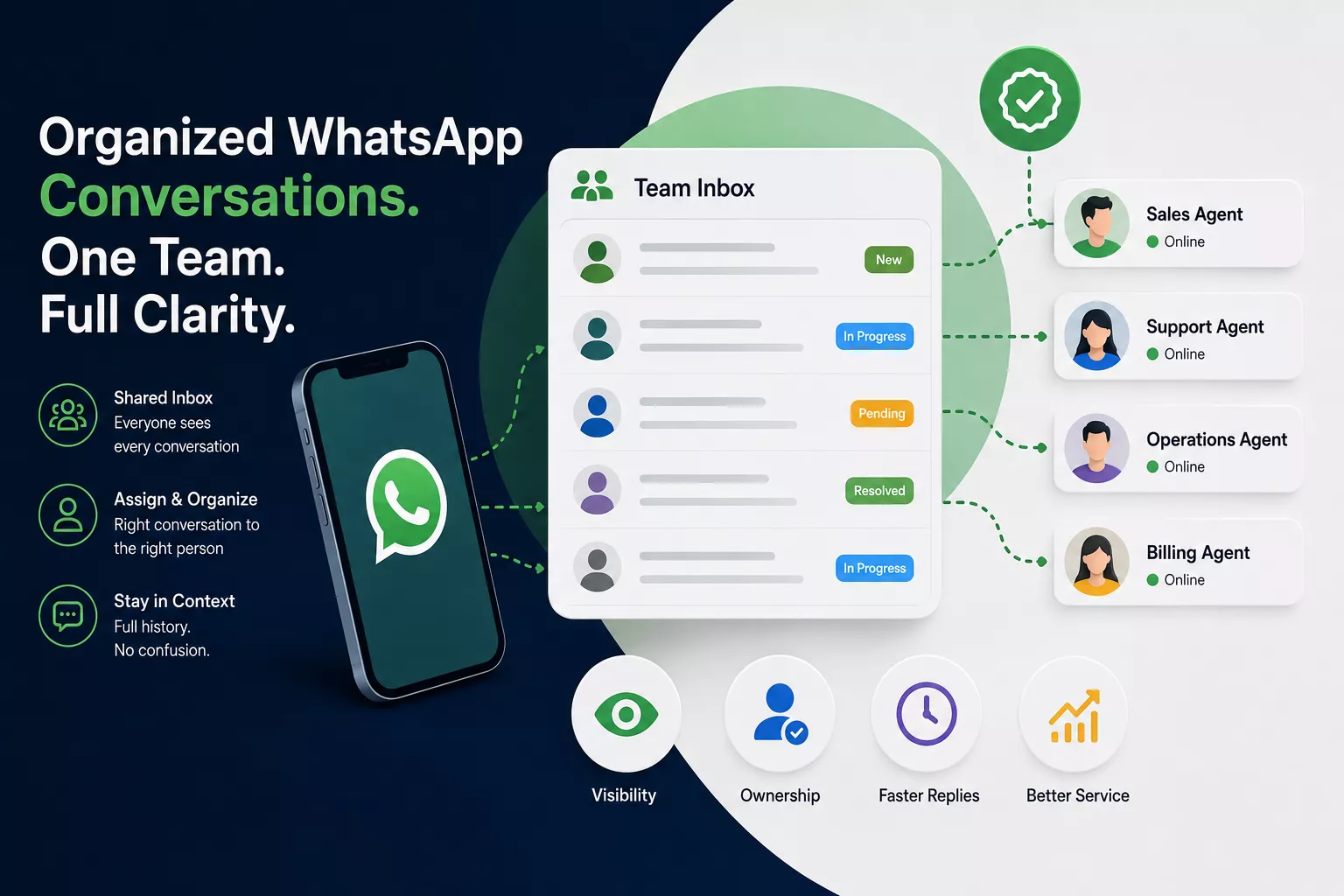
When a human agent does join the conversation, the multi-agent inbox ensures they arrive with full context — the original enquiry date, the segment the lead was in, the re-engagement message that got a response, and everything the automated flow captured. The agent does not start over. They step in as a continuation of a conversation that has history, and they treat the lead accordingly.
The Follow-Up Timeline Most Businesses Cut Too Short
Industry data on B2C and B2B sales consistently shows that a significant percentage of eventual conversions happen after the fifth or sixth follow-up touchpoint. Most businesses stop at two or three. The leads they converted at touchpoint two were the easy ones. The ones who converted at touchpoint six required persistence — and most businesses had already written those off as cold.
A structured WhatsApp re-engagement sequence running over 30 to 60 days, with each message taking a different angle, is not harassment. It is being present at the moment the lead’s internal situation changes — a new budget approval, a project that got greenlit, a problem that became urgent. You do not know when that moment will arrive. Staying visible across a reasonable window ensures you are there when it does.
The leads sitting in your CRM tagged as cold are not necessarily gone. Most of them have not made a final decision. They are waiting — for the right moment, the right message, or a business that cares enough to keep showing up with something worth reading. The businesses that win them back are not more persuasive. They are more persistent, more systematic, and more present on the channel those leads actually respond to.
At 24/7 Marketing, we build re-engagement systems on WhatsApp that cover the full timeline — segmented campaigns, approved templates built for specific re-engagement scenarios, automated flows that handle immediate replies, and a multi-agent inbox that makes sure no re-engaged lead gets lost in a disorganised queue.
Ready to recover the leads your CRM has written off? Visit 247marketing.in.